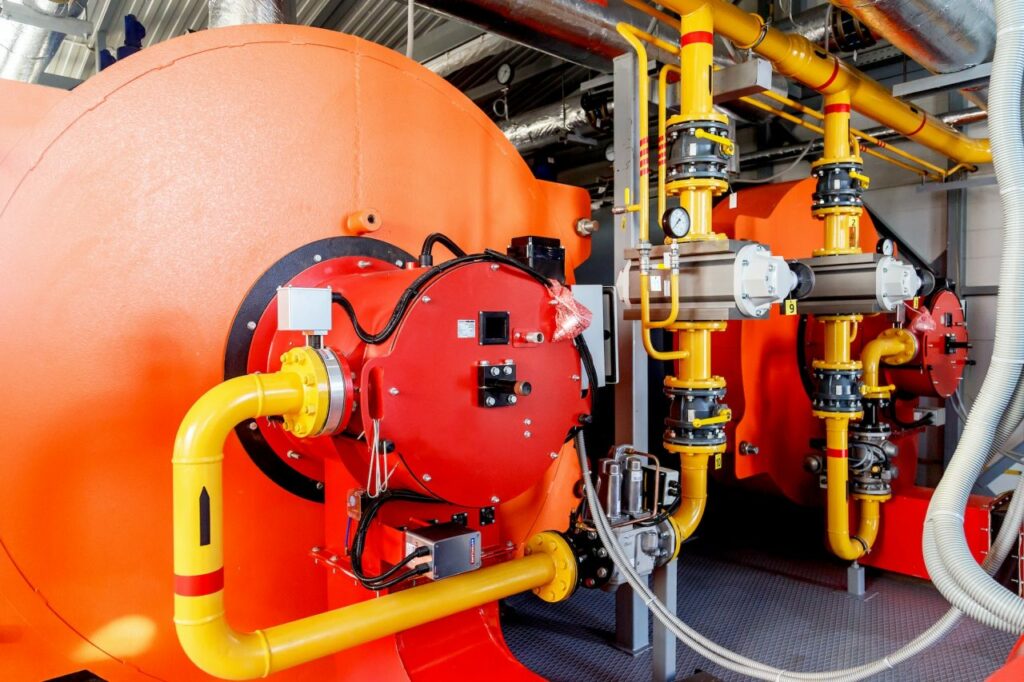
Natural gas and LPG burners both use gaseous fuel to generate controlled heat, but they are not automatically interchangeable. The main difference starts with the fuel itself: natural gas and LPG have different compositions and combustion characteristics, so the burner must meter and mix each fuel appropriately.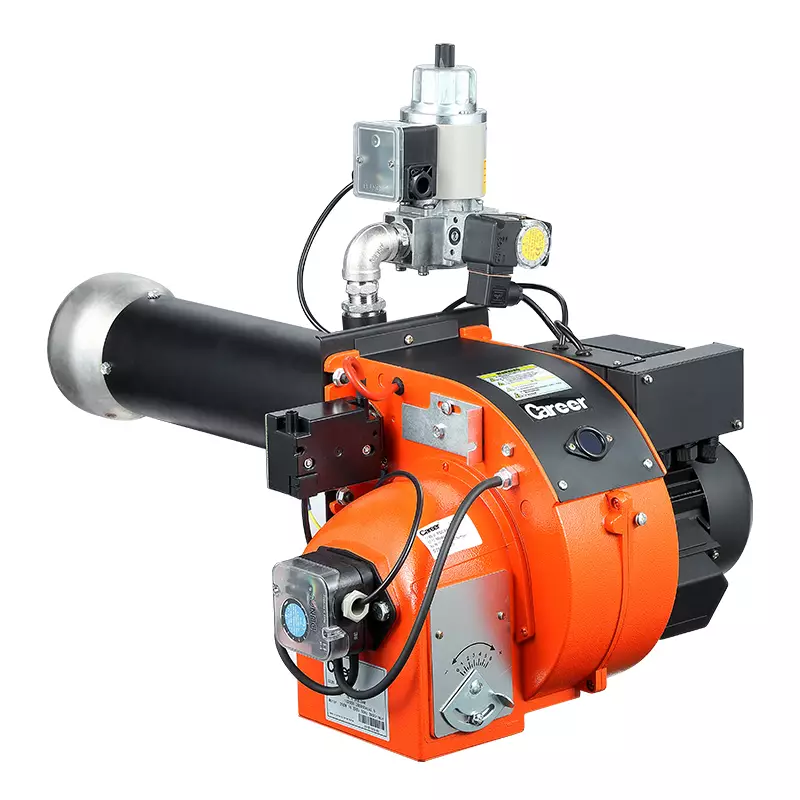
For industrial heating, that distinction affects more than the fuel connection. It can influence gas consumption, fuel-air regulation, supply arrangements, and burner configuration. Understanding these differences makes it easier to determine whether a system should use natural gas, LPG, or a burner designed for both.
Natural Gas Burner vs. LPG Burner: What Is the Basic Difference?
The simplest distinction is the type of gas being burned. Natural gas is primarily methane, while LPG generally consists of propane, butane, or a mixture of these hydrocarbons. Their different physical and combustion properties mean that the same volume of each fuel does not represent the same heat input.
A natural gas industrial burner therefore has to be matched to the characteristics and supply conditions of natural gas. An LPG burner must likewise be configured for LPG rather than assuming that any gas burner can provide identical combustion with both fuels.
Fuel supply is another practical difference. Natural gas is commonly supplied through a pipeline, whereas LPG can be stored and supplied as a pressurized fuel. That difference becomes part of the burner-system design.
The important point is that the distinction is not simply the name printed on the burner. Fuel composition, available supply conditions, required heat input, and combustion adjustment all determine how the burner operates.
How Do Their Gas Supply Requirements Differ?
Gas flow is central to burner operation because the fuel must enter the combustion zone at a rate that matches the required heat release. Since natural gas and LPG have different energy characteristics, their required flow rates cannot simply be treated as equivalent.
Supply infrastructure also differs. A natural-gas installation normally depends on the available pipeline supply and its pressure conditions. LPG installations may require storage, vaporization or pressure regulation arrangements appropriate to the application.
Consequently, the gas train has to be considered together with the burner. Valves, regulators, piping, and safety devices must suit the selected fuel and the required operating conditions.
Highlighting this flexibility, our Career Burner GX25 operates at a natural-gas consumption of 12.0–25.0 m³/h and delivers an output-power range of 118.4–270 kW, while accounting for potential parameter variations driven by differing gas purity and concentration levels.
Does the Burner Design Change Between Natural Gas and LPG?
Yes, fuel selection can affect how the burner is configured and adjusted. The combustion system must establish an appropriate relationship between fuel flow and combustion air so that the flame remains stable and the required heat is delivered.
A natural gas industrial burner may therefore have operating parameters established specifically for natural gas. Switching to LPG can require different fuel metering and combustion settings because the fuel does not behave identically.
Automatic control does not remove this requirement. Instead, automatic systems depend on correctly established operating conditions. The GX25, for example, incorporates automatic control, flame detection, air-pressure monitoring, gas-pressure monitoring, and fuel-air regulation.
Flame behavior is also relevant. Ignition, flame shape, stability, and the relationship between fuel and combustion air need to remain within the burner’s intended operating range. For this reason, fuel conversion should follow the manufacturer’s specified configuration rather than relying on a simple connection change.
Can One Burner Handle Both Natural Gas and LPG?
Yes, but only when the burner is specifically designed and configured for both fuels. A burner described as LPG-compatible should not automatically be assumed to perform identically on natural gas, and vice versa.
Designed specifically for natural gas and LPG, the Career Burner GX25 is an automatic gas burner engineered for flexible operation, featuring support for both fuel types alongside single- or multi-stage flame modulation.
That dual-fuel capability changes the selection decision. Instead of purchasing separate burner technology for each fuel, an industrial user can evaluate a burner intended to accommodate both. Even then, the actual fuel supply, burner setup, gas pressure, and application requirements must be verified before installation.
In other words, dual-fuel capability means engineered compatibility, not that the two fuels are physically identical.
Which Fuel Should an Industrial Heating System Use?
The right choice usually starts with the fuel infrastructure already available at the site. A facility with a suitable natural-gas supply may find natural gas the more straightforward option. A facility without pipeline access may need to consider LPG and its associated storage and regulation requirements.
The heating process itself also matters. The burner must provide the required heat input and maintain controllable combustion across the operating range needed by the equipment.
We at Career Burner list our GX25 for applications including boilers, hot-water systems, industrial ovens, dryers, and food-processing equipment. The relevant question is therefore not simply which fuel is “better,” but whether the selected fuel and burner combination satisfies the process duty and site conditions.
What Should Buyers Compare Before Selecting a Burner?
Start by identifying the available fuel and its supply conditions. Next, check the burner’s rated heat input, fuel consumption, control method, gas connection, and permitted fuel configuration.
A natural-gas installation should be evaluated against the actual natural-gas supply. An industrial LPG gas burner should be evaluated alongside the LPG storage and pressure-regulation system that will feed it.
The manufacturer’s published data should then be checked against the application. For the GX25, the listed gas inlet is Rp1, while the published electrical supply is 220/50 V/Hz and motor power is 250 W. These specifications are useful only when they match the actual installation requirements.
Treat fuel compatibility as an engineering specification rather than a marketing label. We at Career Burner provide burners configured for natural gas and LPG, allowing users to consider fuel flexibility as part of the complete combustion-system decision.
Natural gas and LPG burners perform the same basic job, but the fuels they burn are different, and those differences affect flow, supply, combustion adjustment, and system configuration. The best choice is therefore determined by the available fuel infrastructure and the heating process—not simply by choosing one fuel over the other.