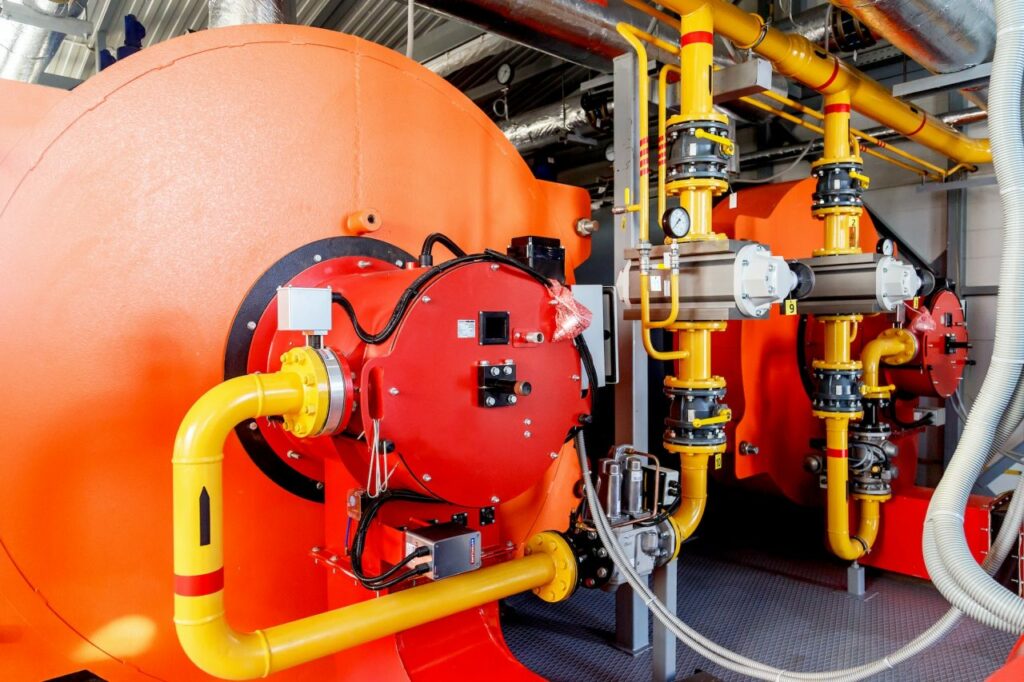
A flame that lifts from the burner head, pulses during firing, changes shape unexpectedly, or repeatedly goes out is rarely a random combustion problem. Flame instability usually indicates that one or more operating conditions have moved outside the range required for stable combustion.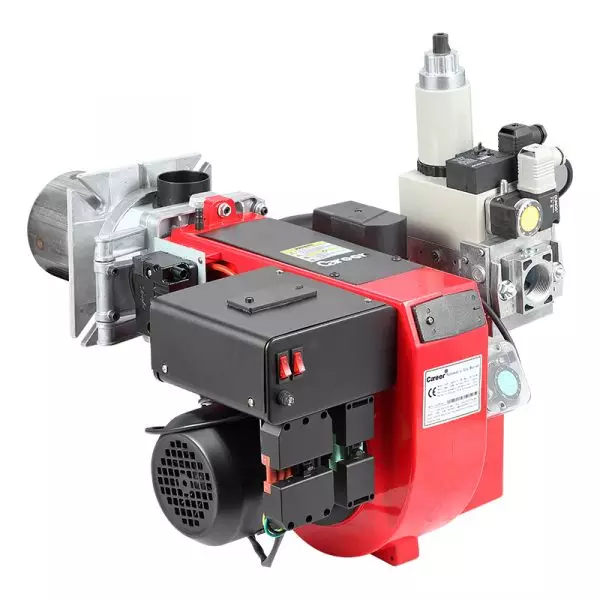
For a furnace gas burner, the first instinct may be to adjust the fuel or air setting. That can sometimes solve the symptom, but it can also hide the actual cause. Gas pressure, combustion air, burner-head condition, furnace draft, ignition, and flame detection can all influence whether a flame remains stable.
Could Unstable Gas Pressure Be Causing the Flame Problem?
Gas pressure is one of the first conditions worth checking when flame behavior suddenly changes.
A burner needs a consistent fuel supply to maintain the intended flow through its gas train and combustion head. Pressure that is too low can reduce gas flow and weaken the flame, while inappropriate pressure or fluctuations can change the relationship between fuel velocity and combustion air.
Before changing burner settings, we recommend that engineers first verify the gas supply, regulator, valves, pressure-control components, and fuel flow. When designing or selecting heating systems, Career Burner configurations are specifically engineered to maintain stable fuel-to-air dynamics across varying operating points.
Is the Air-to-Gas Ratio Making the Flame Lift or Pulsate?
Combustion air is just as important as fuel pressure. A flame can become unstable if the amount or velocity of air entering the combustion zone no longer matches the fuel flow.
Too much air can increase gas-air velocity and contribute to flame lifting under unsuitable conditions. Too little air can produce incomplete combustion and alter flame characteristics. Either condition can move the flame away from the stable operating point established during burner commissioning.
The relationship becomes particularly important in industrial systems because firing conditions are not always constant. A burner may need to operate at different loads while maintaining a controlled flame.
Consequently, flame adjustment should consider fuel and air together rather than treating either flow as an independent setting.
Can a Dirty or Misaligned Burner Head Distort the Flame?
Deposits around the combustion head can change the path through which fuel and air enter the flame zone. Dirt, carbon buildup, or blocked passages may disturb the intended flow pattern and produce an irregular flame.
Mechanical alignment matters as well. Burner-head components, ignition electrodes, and flame sensors need to remain correctly positioned. Vibration and repeated thermal cycling can gradually affect alignment, while contamination can interfere with combustion or flame detection.
The resulting symptoms can look similar to a fuel or airflow problem. A flame may become uneven, unstable, or difficult to maintain even though upstream pressure readings appear normal.
A gas furnace burner should therefore be inspected physically before repeated adjustments are made to its combustion settings. Cleaning the combustion head and checking the condition and position of critical components can reveal problems that cannot be identified from control-panel readings alone.
Does Furnace Draft Affect Flame Stability?
The burner does not operate in isolation from the furnace. Pressure inside the combustion chamber influences how the flame develops after leaving the burner.
Excessive draft can pull the flame away from the combustion head or alter its shape. Restricted exhaust flow can create a different pressure condition and interfere with the intended movement of combustion gases.
Furnace geometry also matters. Changes to refractory, exhaust arrangements, chamber openings, or connected ductwork can alter combustion conditions even when the burner itself has not been modified.
That is why a flame problem appearing after a furnace modification should not automatically be blamed on the burner. The combustion chamber and exhaust system form part of the same operating environment.
Could Ignition and Flame Detection Be Mistaken for Flame Instability?
Not every burner shutdown means the flame itself was unstable. Sometimes combustion is established but the control system cannot reliably confirm its presence.
Flame detection is a critical part of modern industrial combustion systems. If the sensor signal becomes weak or intermittent, the safety system may shut off fuel even though the operator sees a flame briefly during startup.
Checking the flame signal should be part of the diagnostic process rather than focusing exclusively on fuel and air.
How Should a Furnace Gas Burner Be Checked When the Flame Becomes Unstable?
Diagnosis should follow the combustion path instead of changing multiple settings at once.
Start with the fuel supply and confirm that pressure and flow remain appropriate during firing. Next, examine combustion-air delivery and verify that the fan, damper, and relevant control components are operating as intended.
The burner head should then be inspected for contamination, blockage, damage, and alignment. If the flame changes after modifications to the furnace or exhaust system, chamber pressure and draft conditions deserve attention as well.
Finally, check ignition and flame-detection components. A systematic sequence makes it easier to distinguish a genuine combustion problem from a control or sensing problem.
What Makes Stable Combustion Easier to Maintain?
Stable combustion starts with matching the burner to its operating environment. Fuel type and pressure need to correspond with the burner design, combustion air must remain within the appropriate operating range, and the burner head must maintain the intended flow pattern.
Furnace conditions matter just as much. Chamber pressure, exhaust flow, mounting arrangement, and refractory configuration can influence the flame after it leaves the burner.
Maintenance then protects the conditions established during commissioning. Regular inspection of the combustion head, fuel system, air path, ignition components, and flame detector can prevent small deviations from developing into repeated flame failures.
For a gas furnace burner, stability is therefore less about finding one “perfect” adjustment and more about keeping the complete combustion system within its intended operating conditions. By utilizing our reliable combustion solutions at Career Burner, we help ensure that safety, ignition, and fuel-air management stay reliably coordinated.
A stable flame is the visible result of several invisible conditions remaining in balance. Gas pressure provides the fuel flow, combustion air establishes the oxygen supply, the burner head shapes the mixing process, the furnace controls the surrounding pressure environment, and the safety system confirms that combustion is actually present. When those elements remain coordinated, flame instability becomes much easier to prevent—and much easier to diagnose when it does occur.