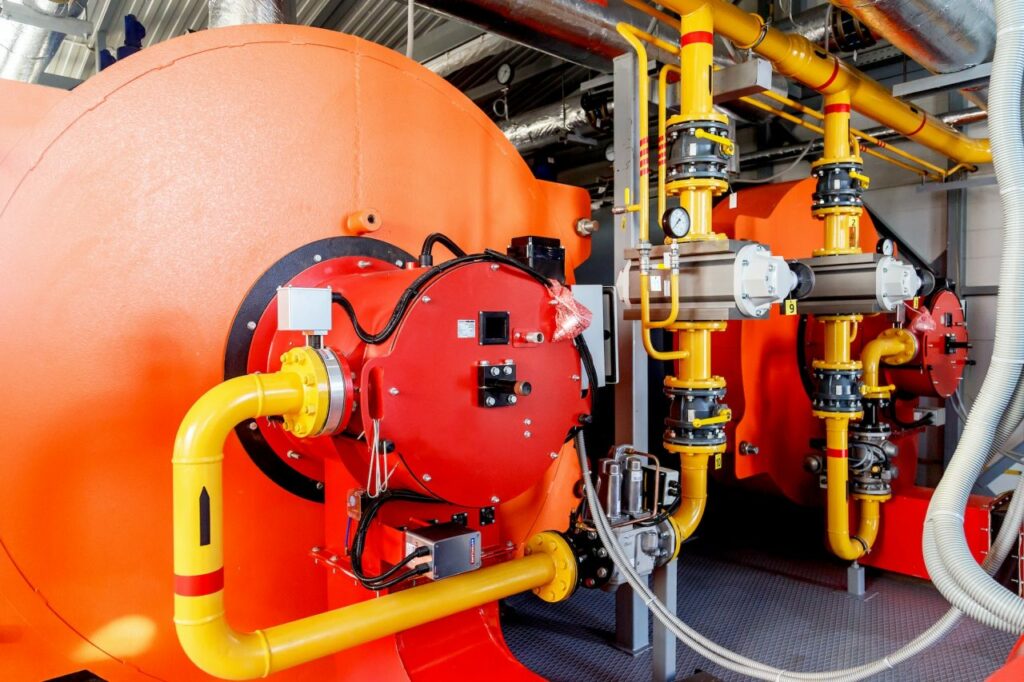
Before installing an LPG burner, the most important question is not simply whether the burner can produce enough heat. A successful installation depends on whether the burner matches the process, fuel supply, combustion-air conditions, existing equipment, control system, and emission requirements.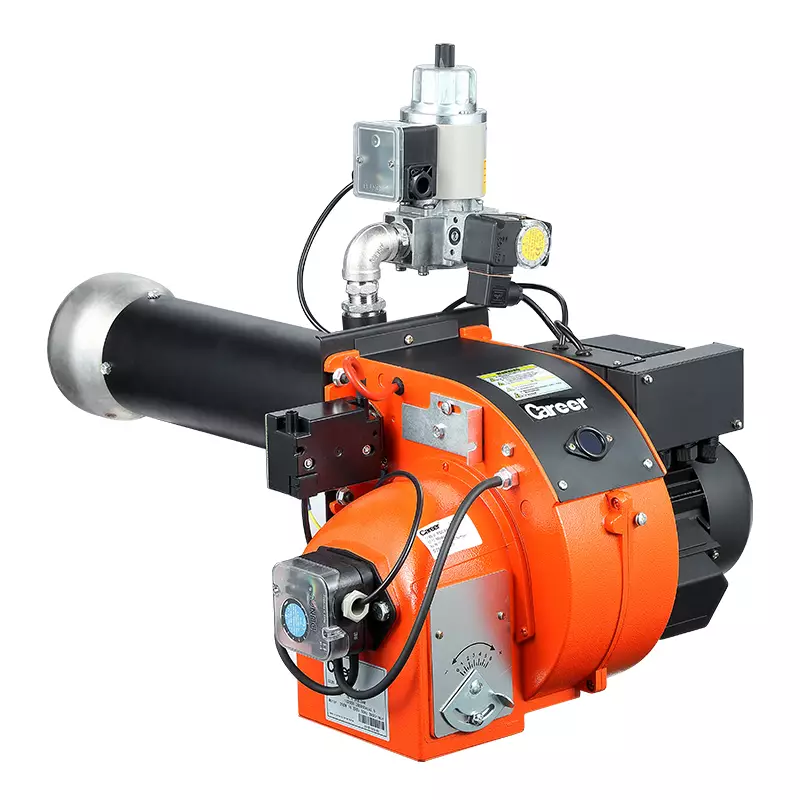
An industrial LPG gas burner becomes part of a larger thermal system as soon as it is installed. That means problems caused by incorrect capacity, insufficient gas supply, restricted airflow, incompatible connections, or incomplete safety integration may not be solved by the burner itself. Checking these conditions before installation gives the project a much clearer technical starting point.
What Heat Output Does the Process Require?
The first consideration should be the actual heat requirement of the equipment receiving the burner. Burner capacity needs to correspond to the thermal load rather than being selected only according to the physical size of the boiler, oven, dryer, or other heating equipment.
Process requirements can also change during operation. A system that needs high firing during startup may require less heat after reaching its operating temperature. Understanding both maximum and normal heat demand helps determine whether the burner needs fixed, staged, or modulating operation.
Those figures should not be treated as a universal sizing recommendation. The required output still needs to be evaluated against the process load, combustion chamber, operating cycle, and heat-transfer characteristics of the equipment.
Can the Existing LPG Supply Support the Burner?
A second question is whether the site’s LPG infrastructure can deliver fuel under suitable operating conditions. Burner capacity and fuel-supply capacity have to work together.
Before installation, engineers should examine the available gas pressure, pipe diameter, regulator arrangement, valves, and expected fuel flow. An adequately sized burner cannot perform correctly if the upstream system cannot provide the fuel conditions required during operation.
Fuel-system verification should therefore take place before the burner is installed, not after commissioning reveals a supply limitation.
Is the Combustion-Air Supply Adequate?
LPG cannot burn correctly without sufficient combustion air, making airflow another installation requirement that needs to be settled in advance.
Forced-draft burners use a fan or similar system to deliver combustion air to the firing zone. The GX25 uses a forced-draft air supply and incorporates fuel-air ratio control into its design.
Site conditions still matter. The burner installation should provide an appropriate air path without unnecessary restrictions around the burner or combustion chamber. Ventilation and air-supply arrangements also need to be considered together with the characteristics of the heating equipment.
At Career Burner, we combine forced-draft air delivery with automatic combustion control in the GX25, but the surrounding installation still needs to provide suitable operating conditions.
Checking airflow before installation is therefore part of burner selection, not merely a commissioning task.
Will the Burner Fit the Existing Heating Equipment?
A burner may have the required output and still be unsuitable for an existing heating system if its mechanical or electrical interfaces do not match.
Installation planning should cover mounting dimensions, burner position, combustion-chamber geometry, gas connection, electrical supply, and access for maintenance. The physical envelope is also relevant where equipment is installed in a confined plant room.
The combustion chamber deserves particular attention. Burner position and flame characteristics need to work with the existing chamber rather than being evaluated independently from it. A proper fit is therefore both a mechanical and combustion-engineering question.
Are Control and Safety Requirements Ready?
Control integration should be defined before the burner is connected. Industrial combustion requires more than a fuel valve and an ignition source; the operating sequence needs to account for ignition, flame confirmation, pressure conditions, and shutdown.
An automatic gas burner can coordinate these functions through an integrated control system. Our GX25 includes automatic control, flame detection, air and gas pressure monitoring, and safety shut-off functions.
That means the installation team needs to understand how the burner will interact with the host equipment’s controls. Start commands, shutdown signals, flame-status feedback, and other required interfaces should be identified before commissioning.
Safety provisions around the burner also need to be incorporated into the site design. Gas isolation, ventilation, electrical protection, emergency shutdown arrangements, and applicable local installation requirements should be addressed as part of the complete system.
Do Emission Requirements Affect Burner Selection?
Emission requirements should be considered before procurement because they can influence which burner configuration is appropriate for the project.
Projects operating under tighter air-quality requirements may need low emission burners or other combustion strategies designed around specific emission limits. However, the term “low emission” should not be treated as a universal performance guarantee. Actual emissions depend on burner design, fuel, operating conditions, adjustment, and the applicable regulatory requirements.
We at Career Burner provide the GX25 as a burner for controlled natural-gas and LPG combustion, but emission suitability still needs to be evaluated against the requirements of the specific installation.
If emissions are part of the project specification, the applicable limits should be identified before burner selection. Waiting until commissioning to address emissions can create avoidable redesign or adjustment work.
What Should Be Confirmed Before Installation Starts?
A practical pre-installation review should establish seven points: required heat output, LPG supply conditions, combustion-air availability, mechanical compatibility, electrical requirements, control and safety integration, and applicable emission requirements.
None of these factors should be evaluated in isolation. Increasing burner capacity, for example, can affect fuel demand and combustion-air requirements. Changing the installation position can influence both mechanical fit and combustion conditions. Control requirements can also determine whether the selected burner can communicate properly with the existing equipment.
The installation decision is ultimately about system compatibility. Once the required heat, fuel, air, equipment interfaces, controls, safety provisions, and emissions conditions have all been checked, the burner has a defined environment in which it can operate. That is the point at which installation should begin—not when the burner first arrives at the site.