PRODUCTS

Career Burner Oil Burner

Career Light Oil Burners – Stable Combustion for High-Load Applications

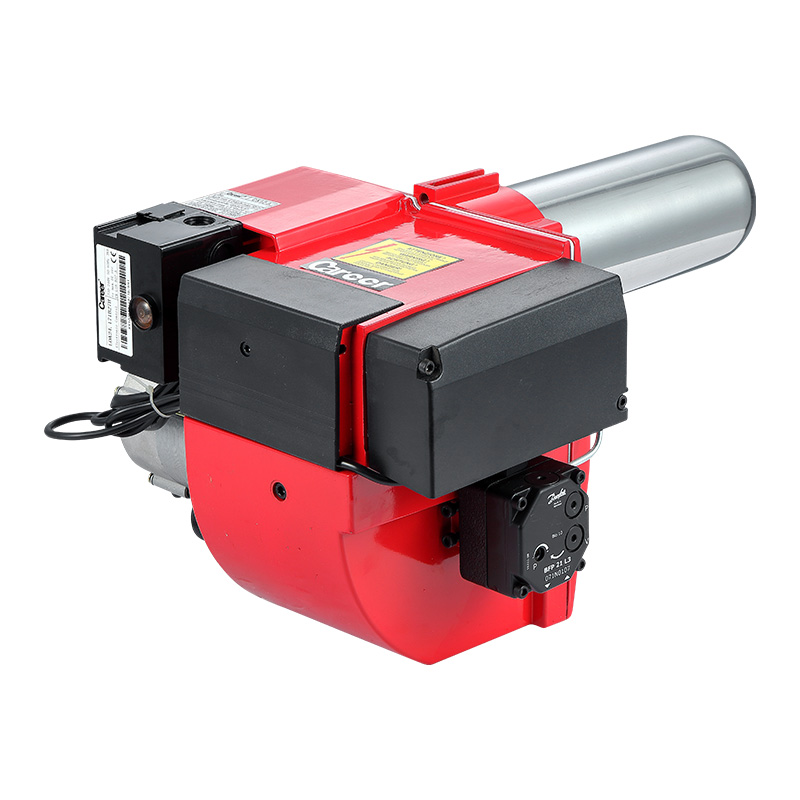
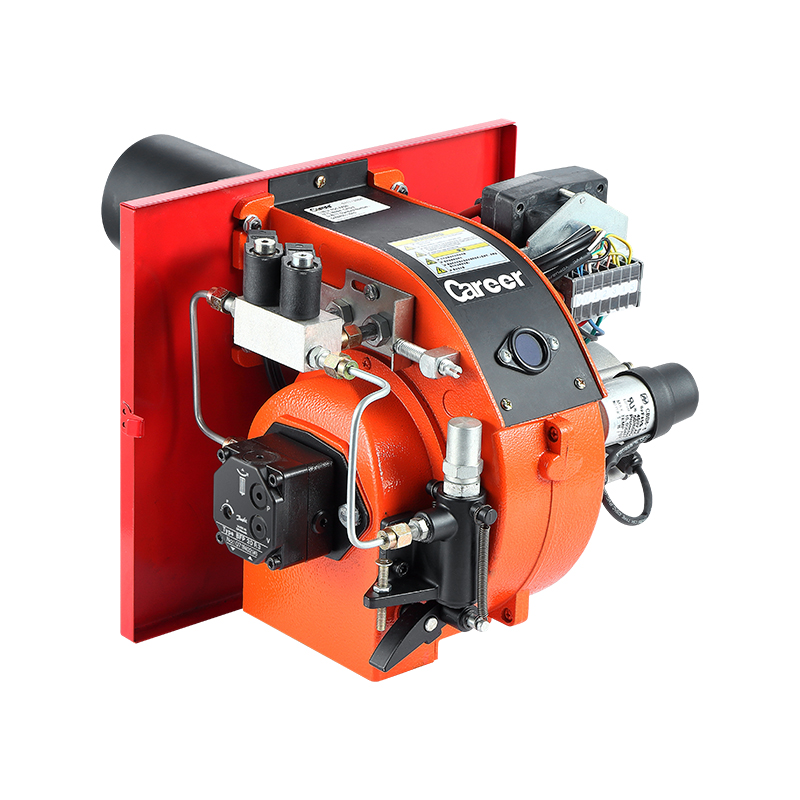
Career Burner is an oil burner manufacturer with over 30 years of combustion engineering experience. Every burner is designed and assembled in-house and undergoes live-fire testing before shipment. Our product range includes compact light oil burners, automatic oil burners, diesel oil burners, and heavy-duty industrial diesel burners for boilers, furnaces, ovens, dryers, incinerators, and process-heating equipment.

Whether you require a compact fuel oil burner or a high-efficiency oil burner for demanding industrial applications, Career Burner can recommend a suitable model and customize the fuel configuration, output range, control system, and installation arrangement for your equipment.

Contact us for product selection assistance, technical specifications, and a customized quotation!

A compact single-stage light oil burner for small boilers, furnaces, drying equipment, and heat-treatment systems.
  • Output range: 24–66 kW
  • Fuel consumption: 2.0–5.6 kg/h
  • Single-stage control
  • 220 V / 50 Hz power supply
A compact monoblock oil burner integrating fuel supply, atomization, ignition, flame monitoring, and automatic operating control.
  • Output range: 59–119 kW
  • Fuel consumption: 5.0–10.0 kg/h
  • Single-stage on/off control
  • High-pressure mechanical atomization
A compact automatic kerosene burner designed to provide stable heat for boilers, ovens, dryers, and other light industrial equipment.
  • Output range: 47–142 kW
  • Fuel consumption: 4.0–12.0 kg/h
  • Single-stage control
  • Quiet operation and easy maintenance
A fully automatic light oil burner designed for boilers and industrial heating systems requiring stable, single-stage operation.
  • Output range: 59–119 kW
  • Fuel consumption: 5.0–10.0 kg/h
  • Single-stage control
  • Integrated ignition and flame monitoring
A two-stage industrial diesel burner providing flexible heat output for commercial cooking equipment and other heating applications.
  • Output range: 59–119 kW
  • Fuel consumption: 5.0–10.0 kg/h
  • Two-stage control
  • High-pressure fuel atomization
A fully automatic monoblock diesel burner for boilers, food ovens, hot-air generators, drying systems, and industrial furnaces.
  • Output range: 89–172 kW
  • Fuel consumption: 7.5–14.5 kg/h
  • Single-stage control
  • Easy atomizer maintenance without burner removal
A two-stage light oil burner offering more flexible output control for boilers, dryers, ovens, and industrial heating equipment.
  • Output range: 89–172 kW
  • Fuel consumption: 7.5–14.5 kg/h
  • Two-stage control
  • Integrated airflow adjustment
A fully automatic single-stage oil burner for medium-capacity boilers and process-heating equipment.
  • Output range: 71–237 kW
  • Fuel consumption: 6.0–20.0 kg/h
  • Single-stage control
  • Automatic ignition and flame monitoring
A two-stage light oil burner designed for boilers requiring improved load control and reliable operation against higher combustion-chamber resistance.
  • Output range: 71–237 kW
  • Fuel consumption: 6.0–20.0 kg/h
  • Two-stage control
  • Hydraulic airflow adjustment
A monoblock industrial oil burner combining automatic ignition, flame monitoring, fuel delivery, and combustion-air control.
  • Output range: 118–308 kW
  • Fuel consumption: 10.0–26.0 kg/h
  • Single-stage control
  • Suitable for boilers, furnaces, and process heating
A two-stage automatic oil burner designed for industrial systems with changing heat demand and higher operating loads.
  • Output range: 118–308 kW
  • Fuel consumption: 10.0–26.0 kg/h
  • Two-stage control
  • Hydraulic airflow adjustment
A single-stage light oil burner for industrial process heating and commercial building heating systems.
  • Output range: 107–356 kW
  • Fuel consumption: 9.0–30.0 kg/h
  • Single-stage control
  • Integrated automatic combustion control

Frequently Asked Questions

An oil burner is a combustion device that atomizes and ignites light oil fuels (like diesel or kerosene) to produce heat. A furnace is a heating appliance that generates and distributes heat through air, water, or steam. Oil burners are often integrated into furnaces to provide the combustion heat needed for the system to operate.

Installation involves mounting the burner on the heating unit, connecting fuel and power lines, adjusting air intake and nozzle, configuring controls, testing fire and tune combustion. Always disconnect power, verify fuel shutoff, and wear appropriate PPE. Installation should be performed by qualified personnel according to local codes and manufacturer specifications. For a qualified technician typically completes installation within 4–8 hours, depending on system complexity.

Look for models with:

  • Two-stage or modulating control
  • Low excess air and high combustion efficiency
  • Reliable ignition systems like electronic ignition
  • Burner capacity rating exceeding system demand
  • OEM compatibility with your heating equipment

Also always consider fuel type, heating capacity (kW or BTU), and emission standards.

Operate with clean, filtered fuel. Ensure correct air-to-fuel ratio, regular maintenance, and follow manufacturer settings for temperature, pressure, and safety controls. Never bypass built-in safety devices.

Do not attempt to weld or patch a cracked burner. Shut down the unit and consult a certified technician. Cracks in the burner head or housing compromise safety and efficiency and usually require part replacement.

Turn off the power and fuel supply. Remove the filter housing, take out the old filter, clean the housing, and install a new filter element. Check for leaks during restart. This should be done every 3–6 months, depending on usage.