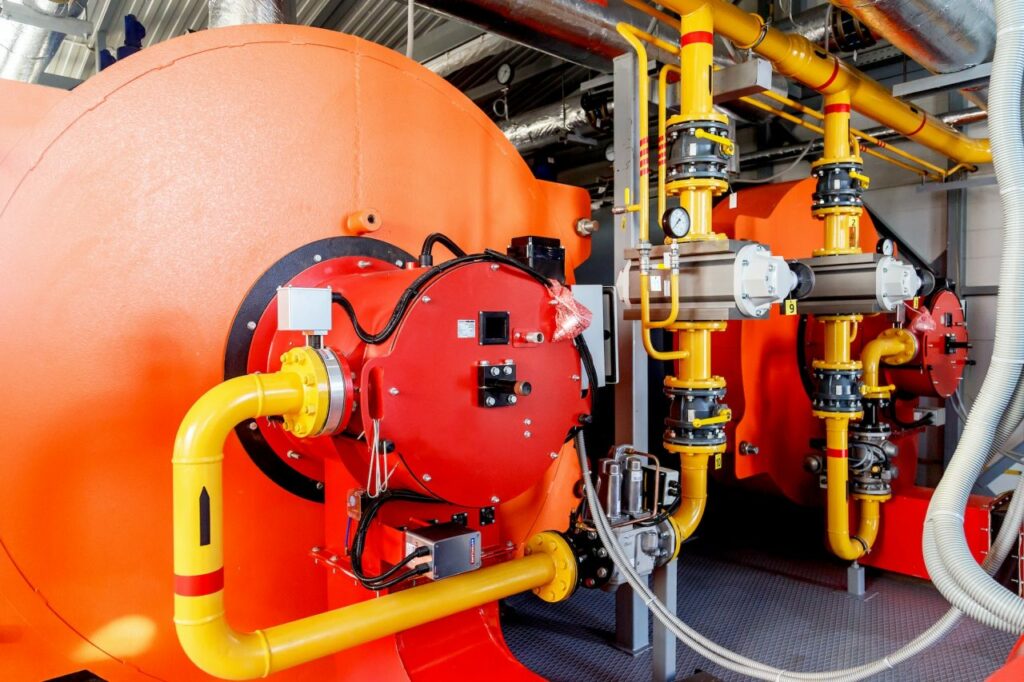
Incomplete combustion occurs when fuel does not fully oxidize before leaving the combustion zone. In an industrial burner, warning signs can include higher carbon monoxide, unstable flames, smoke, deposits, or lower useful heat. The causes are rarely limited to one component. Air supply, fuel delivery, mixing, temperature, residence time, and control settings can interact, making diagnosis more effective when the entire combustion sequence is examined.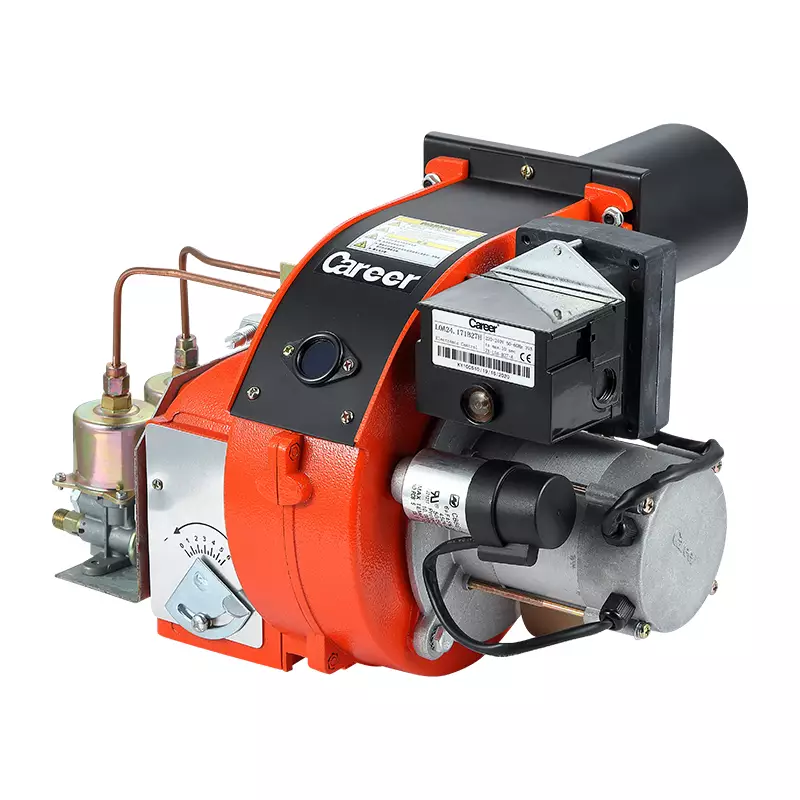
Air Supply Can Be Too Low Or Too High
Oxygen availability is the first place to investigate. Too little combustion air creates fuel-rich regions where oxidation cannot proceed completely. Yet simply increasing airflow is not a universal fix. Excessive air can dilute the flame, lower its temperature, and carry more heat out with the exhaust.
The target is a controlled air-fuel relationship suited to the fuel and firing rate. For methanol combustion, accurate air-fuel mixture control is particularly relevant because the burner must be configured around methanol’s combustion characteristics rather than treated like an interchangeable liquid-fuel appliance. The methanol range uses precision control systems to adapt to varying methanol fuel concentrations.
Poor Mixing Creates Local Rich Zones
A burner can receive enough total air and still produce incomplete combustion if fuel and air do not mix effectively. Local fuel-rich pockets may form beside oxygen-rich areas, so the overall ratio can look reasonable while combustion quality remains poor.
A methanol fuel burner needs specialized atomization units as well as suitable materials and controlled air-fuel mixing. The methanol range uses atomization equipment, corrosion-resistant construction, and precision control to support combustion of methanol.
Flame Temperature Can Fall Too Far
Complete oxidation depends on a sufficiently hot combustion zone. During startup, low-load operation, or excessive air dilution, the flame can lose temperature and reaction rates can slow. Carbon monoxide and unburned fuel may then remain in the combustion products.
Methanol has a lower flame temperature than some conventional fuels, and the methanol range is designed around this fuel characteristic. Its burners use precision control, flame sensors, safety valves, and corrosion-resistant stainless steel. These components support combustion management and equipment reliability, but they do not replace correct commissioning or suitable operating conditions.
Fuel Delivery Problems Change The Mixture
A stable combustion process depends on predictable fuel delivery. Changes in pressure, flow, viscosity, atomization quality, or fuel concentration can shift the mixture away from its intended operating point.
A methanol fuel burner deserves particular attention to fuel condition and concentration. The available range is specified for methanol and biomass oil, while its control system can adapt to varying methanol fuel concentrations. We would evaluate the actual fuel supply and required firing rate before setting combustion parameters.
The Burner May Not Suit The Operating Range
Burner capacity is another possible source of incomplete combustion. If equipment operates far below the practical firing range, maintaining a stable flame and appropriate mixture can become difficult. An undersized burner creates the opposite problem: excessive firing demand can push fuel and air flows beyond the conditions for which the combustion head and chamber were designed.
The available methanol burners have a stated capacity range of 50–300 kW. Matching that range to actual thermal demand matters because combustion quality depends on how the burner operates across the load profile, not just on its maximum rating.
Flame Stability Is Part Of Combustion Quality
A flame must remain anchored in the intended combustion zone. Lift-off, oscillation, weak ignition, or intermittent extinction can interrupt oxidation and create periods of incomplete combustion. Changes in fuel flow or combustion air can also alter flame shape and heat release.
Flame detection provides an important monitoring function, but stable operation still depends on burner geometry, fuel preparation, air distribution, and control. A sensor can identify loss of flame; it cannot compensate for fundamentally unsuitable combustion conditions.
Control Settings Can Drift Away From Reality
Even a well-designed burner can produce poor combustion when control settings no longer match actual equipment conditions. Damper positions, fuel valves, sensors, pressure conditions, and firing commands all influence the mixture reaching the flame.
Using methanol as fuel makes disciplined commissioning especially important because the burner must respond to the actual fuel concentration and operating demand. The methanol burners incorporate precision control, flame sensing, and automatic safety features. We still treat combustion adjustment as a system-level task supported by measured operating conditions.
Start Diagnosis With Combustion Evidence
Troubleshooting should begin with observable evidence instead of immediately changing the fuel-air ratio. Check flame appearance and stability, combustion-air delivery, fuel condition, operating load, and signs of deposits or incomplete burning. Flue-gas measurements can then help determine whether the problem is associated with oxygen availability or another combustion variable.
The same diagnostic logic applies when using methanol as fuel: verify the fuel supply, atomization, air delivery, and firing rate before changing settings. An isolated adjustment may temporarily alter the flame while leaving the underlying problem unresolved.
Complete Combustion Requires The Whole System To Agree
Incomplete combustion is usually a symptom of mismatch somewhere in the combustion chain. Insufficient or excessive air, poor mixing, low flame temperature, unstable fuel delivery, unsuitable firing range, flame instability, and incorrect controls can all contribute.
Our approach is to connect burner design with actual fuel and equipment conditions. Career Burner supplies methanol combustion equipment with specialized atomization, precision control, flame monitoring, and safety components.
When those elements are correctly matched and commissioned, the burner lays a solidfoundation for converting methanol into useful heat with controlled combustion.