Flame stability determines whether an industrial combustion system can sustain heat release in a controlled and repeatable way. A flame that lifts, flickers, weakens, or extinguishes can interrupt heat transfer, increase the possibility of incomplete combustion, and cause burner controls to initiate a shutdown.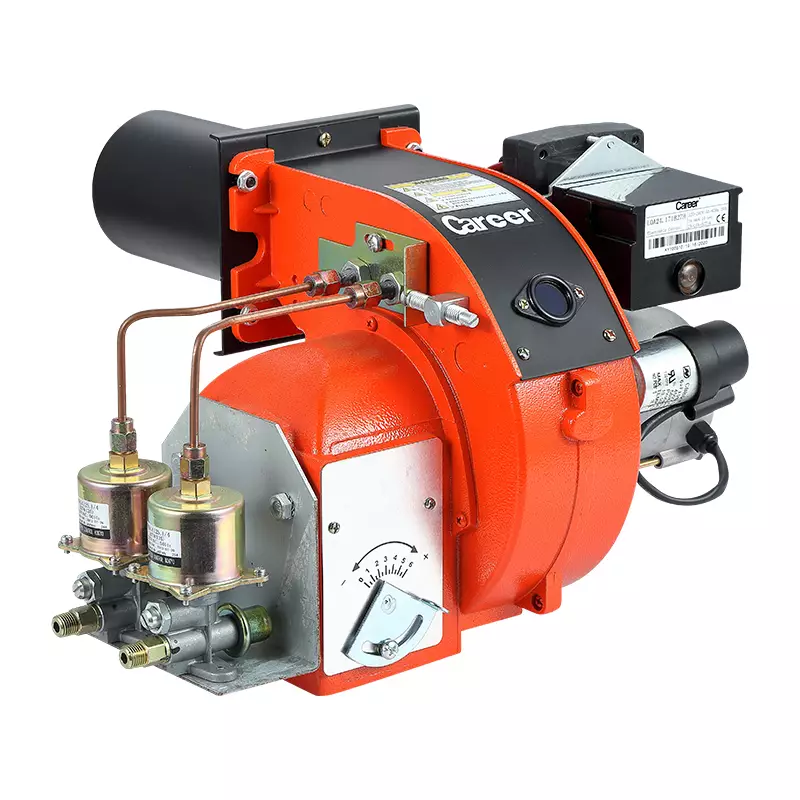
For processes that depend on consistent thermal conditions, stability is therefore not simply a combustion-performance preference; it is part of reliable operation.
A Stable Flame Is the Starting Point for Predictable Heat
Combustion only becomes useful to an industrial process when the flame remains established where the burner is designed to release heat. Stable combustion maintains a predictable relationship between fuel input, air supply, and heat release. That consistency supports more uniform heating inside boilers, furnaces, kilns, and drying equipment.
An unstable flame can produce uneven heat release even when the burner is receiving the correct nominal fuel flow. Local temperature changes may then affect the process, while repeated flame failure can interrupt production altogether.
Stable combustion also makes operating conditions easier to monitor because changes in flame behavior can serve as an early indication of problems in fuel delivery, air supply, ignition, or burner components.
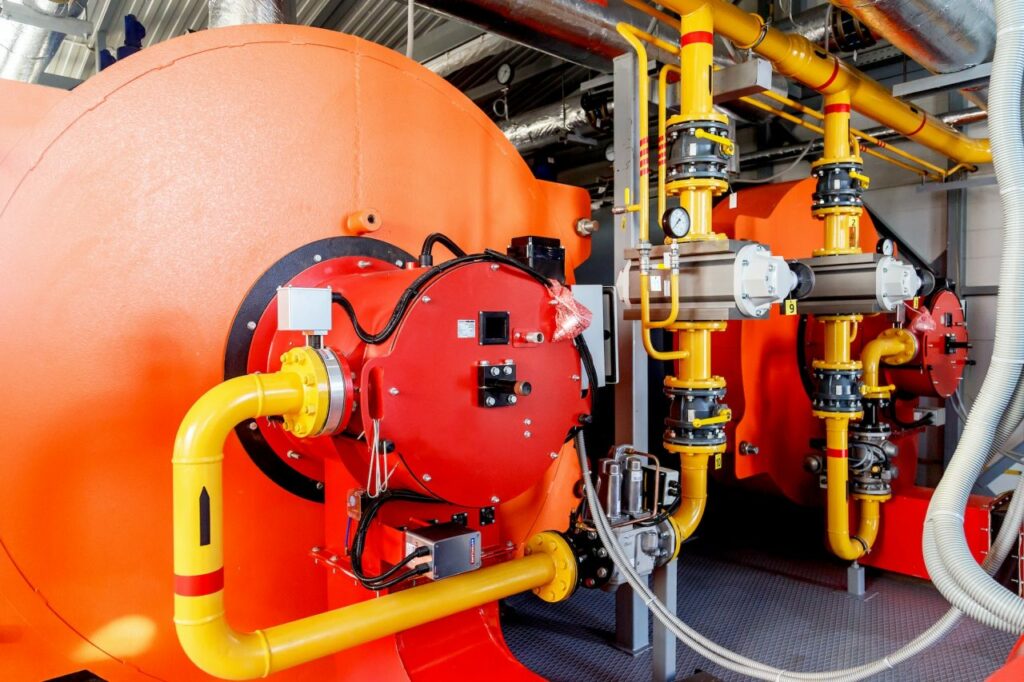
Our experience with industrial combustion systems shows why flame behavior has to be evaluated together with the complete burner arrangement rather than treated as an isolated characteristic.
What Happens When Flame Instability Occurs
Flame instability can appear in several forms. A flame may lift away from the burner head, fluctuate noticeably, become excessively weak, or move toward an undesirable location. Each condition can indicate that the relationship between fuel velocity, combustion-air velocity, mixture characteristics, and flame propagation has moved outside the intended operating range.
Incomplete combustion is one possible consequence. Poor fuel-air mixing or inadequate combustion conditions can leave fuel insufficiently burned, potentially increasing carbon monoxide and unburned fuel. Excessive instability can also interfere with the intended heat-release pattern, reducing the predictability of the thermal process.
Physical burner condition matters too. A contaminated combustion head can restrict or distort airflow and alter flame geometry. Career Burner’s maintenance guidance identifies carbon deposits and contamination around the combustion head as potential contributors to flame instability and increased emissions.
Methanol Makes Fuel Preparation Especially Important
Methanol combustion introduces fuel-handling characteristics that require careful attention to preparation. Methanol is a liquid fuel, so the burner has to create conditions that allow the fuel to mix effectively with combustion air before or during ignition.
Atomization becomes particularly relevant. Fine fuel dispersion provides a larger contact area between fuel and air, supporting more consistent combustion. Our published methanol burner information describes specialized atomization components and precision air-fuel control as part of the equipment required for efficient and safe methanol operation.
Fuel condition can also influence stability. Methanol can absorb moisture, and water contamination can affect combustion behavior. Regular inspection of the fuel system and appropriate storage practices therefore form part of maintaining consistent combustion conditions. Our maintenance guidance specifically recommends checking methanol fuel lines for condensation or water contamination.
Air, Fuel, and Ignition Have to Stay in Balance
A flame does not remain stable simply because the correct fuel has been selected. Combustion air and fuel must reach the flame zone in the appropriate proportions and under suitable flow conditions. Changes in air pressure, fuel pressure, atomization, or burner adjustment can disturb that balance.
Ignition performance matters during startup as well. The burner needs to establish a dependable flame after the required startup sequence. If fuel reaches the combustion zone without successful ignition, the control system must prevent continued unsafe fuel release according to the burner’s designed safety sequence.
Control systems help maintain operating conditions as demand changes. Career Burner’s industrial methanol burner range is designed with precision control systems, built-in safety valves, and flame sensors, while its published product information lists capacities of 50–300 kW for the methanol range.
Flame Detection Turns Stability Into a Safety Issue
Flame stability also has a direct connection with burner safety. A control system needs reliable confirmation that combustion has actually been established and remains present. If the detected flame signal disappears, the burner can respond by stopping fuel input and entering a safety lockout sequence.
A faulty or contaminated flame sensor can therefore create symptoms that resemble combustion instability. Conversely, genuine flame instability can repeatedly cause the sensor signal to fall outside its acceptable detection conditions. Maintenance teams should consequently investigate both combustion conditions and flame-detection components rather than assuming every lockout originates from the control system.
Regular cleaning of flame sensors, inspection of ignition electrodes, and verification of burner operating parameters can help identify developing problems before they become repeated shutdowns.
Stability Has to Survive Real Operating Conditions
The strongest test of flame stability is not a single successful ignition but consistent operation across the burner’s actual working range. Production demand changes, fuel conditions vary, and components accumulate deposits over time. A burner therefore needs combustion characteristics that remain manageable as those variables move.
For methanol systems, we pay particular attention to atomization, fuel condition, air-fuel control, ignition, and flame monitoring as connected parts of the same combustion problem. A stable flame is the result of these elements working together, not one component acting independently.
We develop methanol combustion equipment for applications including boilers, kilns, and drying equipment, with corrosion-resistant components and combustion controls designed around methanol’s specific requirements.
Ultimately, flame stability matters because industrial heat must be predictable. A stable flame supports consistent heat release, dependable process operation, and effective safety monitoring.
For methanol combustion, maintaining that stability begins with proper fuel preparation and continues through air-fuel control, ignition, flame detection, and preventive maintenance.
Rather than treating recurring flame failure as an inevitable operational headache, We at Career Burner addresses instability at its source by engineering these factors as an integrated combustion system.