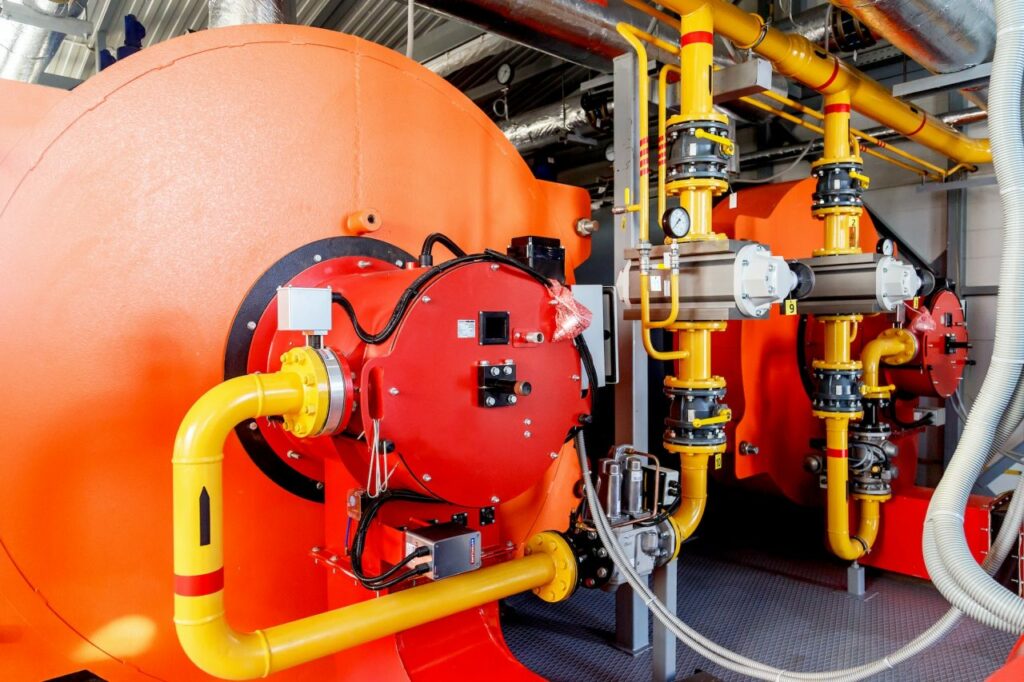
Not every number on an industrial burner datasheet deserves equal weight. A high maximum capacity may look attractive, but it tells us little if the burner cannot operate stably at the process’s normal load. Similarly, a low-NOx figure has limited value if its test conditions cannot be compared with competing equipment. We therefore judge burner specifications by one question first: do they describe a genuine fit with the thermal process?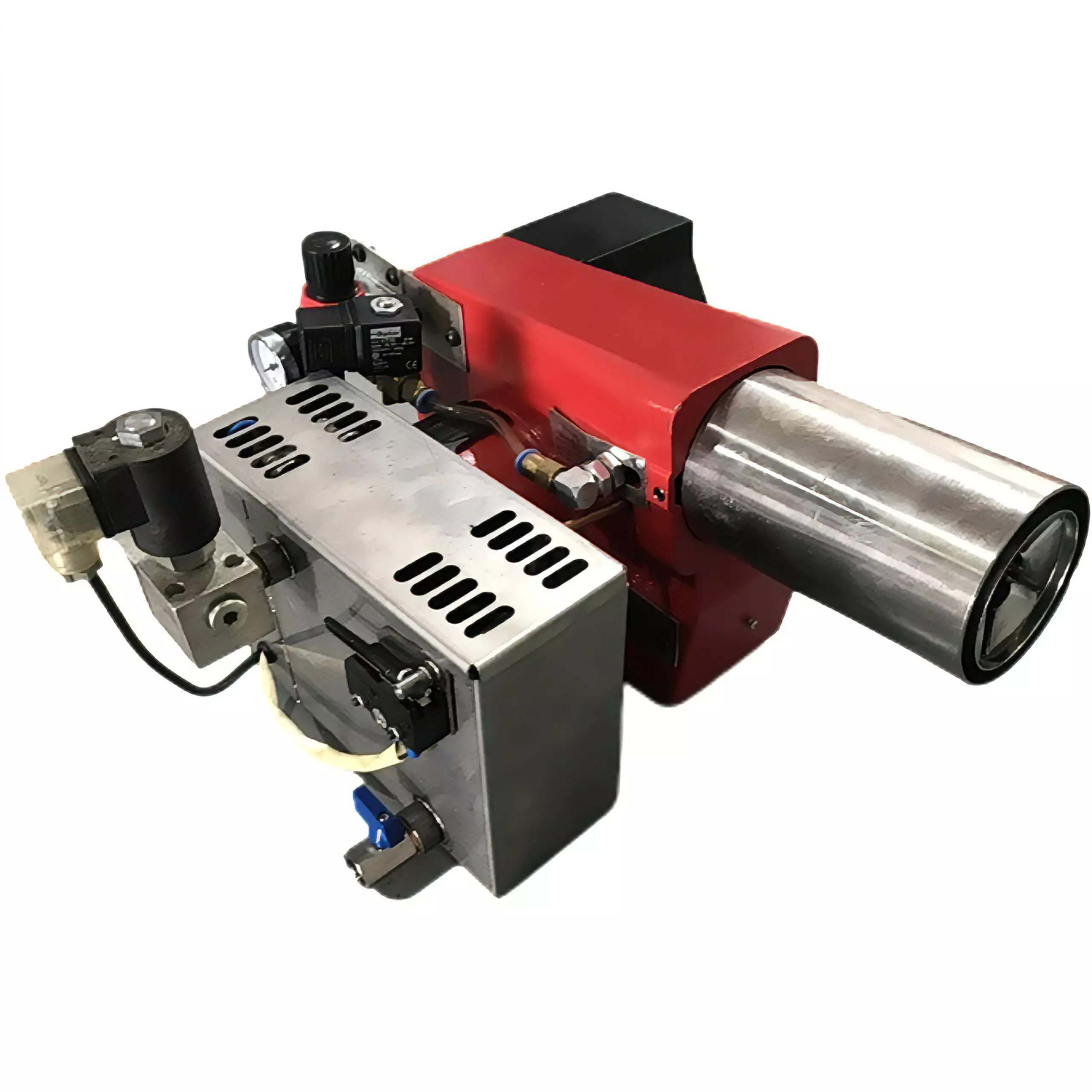
The First Question: Can the Burner Cover the Real Heat Demand?
Maximum heat input establishes the upper boundary of a burner’s capability, but selecting a burner should begin with the actual heat requirement of the equipment. Furnace duty, boiler load, process temperature, heat-transfer arrangement, and expected operating conditions all influence the required capacity.
A burner that is significantly oversized may not provide a practical advantage. If the process normally operates far below the rated maximum, control at reduced firing rates becomes more important. We would therefore record both maximum and minimum firing rates when comparing quotations from burner suppliers.
Published burner ranges also demonstrate why capacity cannot be judged in isolation. We at Career Burner list burner solutions ranging from 30 kW to 7,000 kW, covering applications with very different thermal requirements.
The useful specification is consequently not simply “maximum output.” It is the usable operating envelope: how much heat the burner can deliver, how low it can fire, and whether those limits correspond to the process duty.
A Wider Firing Range Can Matter More Than Peak Output
Industrial equipment rarely operates at maximum load continuously. Production schedules, ambient conditions, batch cycles, product changes, and heat losses can all shift the required firing rate. That makes turndown an important specification for processes with significant load variation.
Consider two burners with similar maximum inputs. If one can modulate across a substantially wider range, it may be easier to match heat production to actual demand. A wider operating range can also reduce the need for frequent on-off cycling, depending on the control strategy and application.
At Career Burner, we publish a 40:1 turndown ratio for its BX20 modulating immersion-tube burner. Buyers comparing this figure with another supplier’s ratio should still confirm that both manufacturers define and measure turndown under comparable conditions.
Minimum stable firing rate deserves separate attention. A nominal turndown ratio does not automatically describe every operating condition. We would ask suppliers how the stated minimum relates to flame stability, combustion quality, and the intended fuel before treating the number as a purchasing advantage.
Fuel and Flame Control Reveal How the Burner Will Operate
Fuel compatibility is another specification that can immediately eliminate unsuitable options. Natural gas, LPG, diesel, kerosene, methanol, waste oil, and other fuels can require different combustion arrangements and control strategies.
Supplier documentation should identify the supported fuel, fuel-pressure requirements, and relevant combustion method. Our published product information includes gas burners for natural gas and LPG as well as oil-burner solutions using fuels such as diesel and kerosene. Career Burner products
Control architecture then determines how that fuel is managed during operation. A fixed firing arrangement may suit a relatively stable load, whereas a modulating system can be more appropriate where heat demand changes continuously. Two-stage operation provides another control approach and should not be treated as interchangeable with full modulation.
We also examine how combustion air and fuel are coordinated. Stable air-fuel control is central to maintaining repeatable combustion, particularly when operating conditions move away from the design point. The specification sheet should therefore be read as a description of the control system, not just a list of mechanical components.
Read Emissions Numbers Together With Their Test Conditions
Low-NOx performance is often one of the most difficult specifications to compare fairly. A statement such as “low-NOx burner” gives us a category, not a directly comparable performance result.
The more useful information includes the numerical emissions value, measurement basis, fuel, operating condition, and any technologies used to achieve the result. Our NX FGR series is published with NOx below 30 mg/Nm³. Career Burner Such a figure should be compared with competing data only after confirming that the measurement conditions are equivalent.
Flue-gas recirculation, staged combustion, excess-air control, and other combustion strategies can influence emissions behavior. Their relevance depends on the equipment and process rather than on the technology label alone.
For this reason, we would place the emissions figure beside its test conditions in any technical comparison. That simple step prevents a low headline number from being treated as universally achievable.
A Good Datasheet Must Also Fit the Existing Equipment
Technical suitability extends beyond combustion performance. A burner can meet the thermal requirement yet still be difficult to install if its dimensions, mounting arrangement, electrical requirements, fuel connections, or control interfaces do not match the existing system.
Retrofit projects make this especially apparent. Available furnace space, burner throat dimensions, combustion-air arrangements, and existing automation can restrict the practical choices. Electrical frequency and voltage should also be checked early. We at Career Burner publish customized solutions supporting 12/24VDC and 60Hz compatibility for relevant applications. Career Burner
Safety and monitoring functions belong in the same review. Flame detection, pressure monitoring, ignition arrangements, and control interfaces can affect how the burner integrates with the plant’s existing safety architecture. Published specifications for the GX25, for example, identify flame detection and pressure monitoring.
Consequently, a specification comparison should include the equipment surrounding the burner. Looking only at combustion output can hide integration work that later affects project cost and commissioning.
Turn Specification Sheets Into an Engineering Comparison
A practical comparison begins by putting every quotation into the same format. We would normally record maximum and minimum heat input, fuel type, fuel pressure, turndown, emissions data, control method, electrical requirements, dimensions, and required accessories.
Next comes normalization. Capacity units should be converted consistently, while emissions values should be checked for the same reference conditions. Turndown ratios should be examined for comparable definitions rather than ranked automatically from largest to smallest.
Documentation quality is another useful discriminator. We state that our manufacturing is ISO 9001 certified and that our burners undergo combustion testing before shipment. Career Burner Verification of manufacturing and testing practices can strengthen confidence in the numbers, although it should not substitute for application-specific engineering review.
The final decision should connect each specification to a plant requirement. Maximum input answers whether the burner can meet peak demand. Turndown addresses variable loads. Fuel data establishes basic suitability. Emissions figures address environmental requirements. Dimensions and controls determine integration.
That approach changes the comparison from a contest between impressive numbers into an engineering assessment of actual operating fit. For buyers working with burner suppliers or evaluating a burner manufacturer, the strongest specification is ultimately the one that can be demonstrated under conditions resembling the intended application.
A technical specification sheet is merely the baseline of our evaluation. The ultimate selection hinges on a comprehensive compatibility check—covering the entire operating envelope, combustion performance, and integration requirements—instead of fixating on any isolated specification.