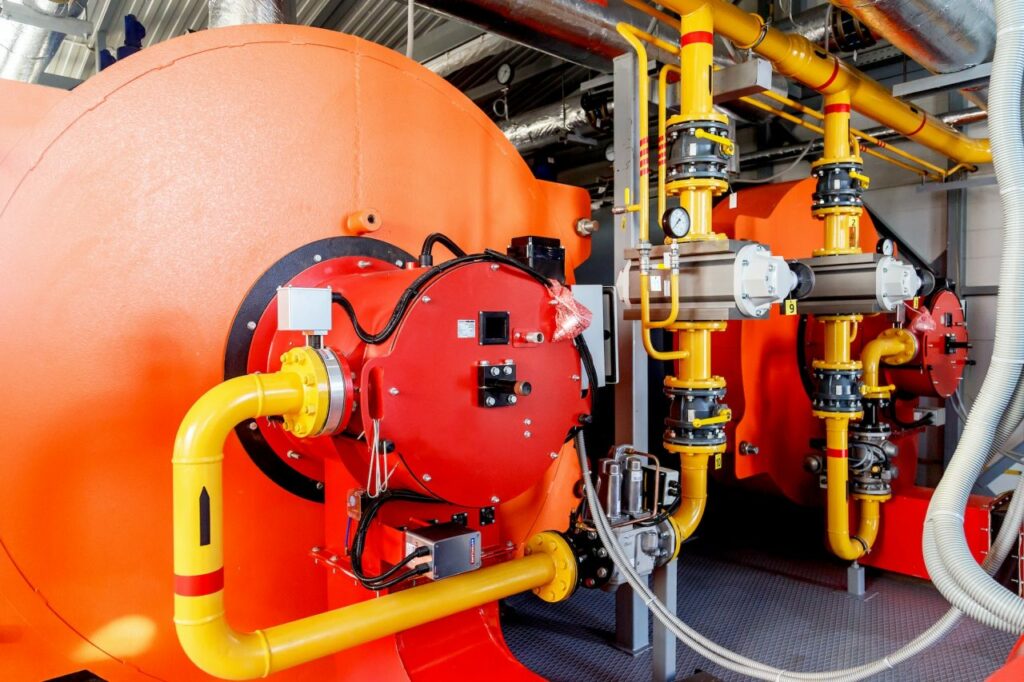
A commercial heating system and an industrial process can require similar amounts of heat while placing very different demands on the burner. That is why comparing an industrial burner with a commercial model by capacity alone can lead to the wrong conclusion. The more useful comparison looks at how the heat is generated, controlled, delivered, and maintained throughout the operating cycle.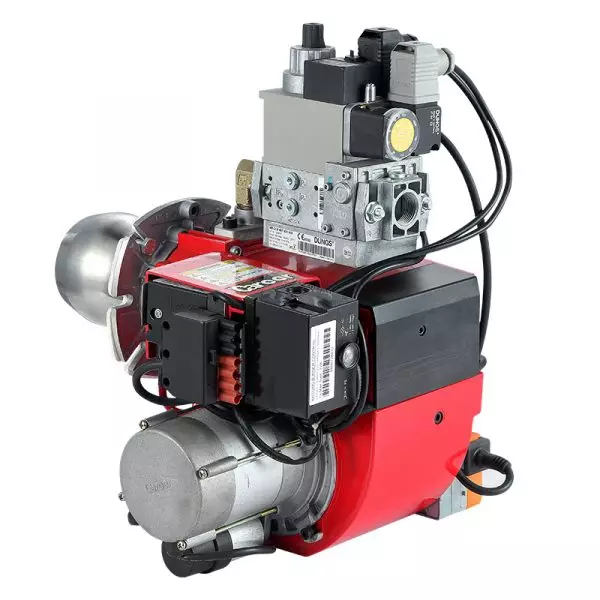
Why Two Burners With Similar Capacity Can Behave Differently
Rated heat input tells only part of the story. Two burners may provide comparable output but be designed for very different operating environments. Commercial heating equipment commonly serves buildings, hot-water systems, or other applications where the primary objective is maintaining a set temperature.
Industrial equipment often sits inside a larger thermal process. The burner may have to heat a furnace, oven, dryer, boiler, reactor, or other production equipment while responding to changes in production conditions. Chamber pressure, temperature distribution, combustion-air availability, and required firing range can therefore influence burner selection.
We start by looking at the complete heating duty rather than assuming that a higher-capacity model is automatically suitable. Fuel type, minimum and maximum firing rates, combustion-chamber conditions, and control requirements all form part of that assessment.
Where the Operating Cycle Changes the Burner Requirement
Operating duration can fundamentally change what the combustion system needs to deliver. A burner serving a production line may experience extended firing periods and frequent changes in demand. Such conditions place greater emphasis on stable combustion and reliable control across the required firing range.
Commercial heating equipment may also modulate or cycle, but its operating pattern is usually determined by space-heating or hot-water demand. Process equipment can have a more direct relationship with production speed, material throughput, moisture content, or required process temperature.
That difference affects how we evaluate the burner. Stable ignition, flame behavior at different firing rates, response to load changes, and compatibility with the combustion chamber can matter just as much as maximum output.
Why Process Heat Demands More Than Flame Output
Industrial heating is rarely about producing heat in isolation. The generated heat must reach a particular location and produce a predictable thermal result. Flame length, flame shape, heat-release characteristics, and furnace geometry can consequently become important engineering variables.
A burner that fits physically may still perform poorly if its flame does not suit the chamber. Excessive flame length can create unwanted impingement, while an unsuitable heat-release pattern can produce temperature differences inside the process equipment.
Commercial systems can have similarly important combustion requirements, but many are built around defined appliance configurations. Industrial installations are more likely to require closer coordination between the burner and the equipment receiving the heat.
Fuel and Air Control Reveal Another Major Difference
Fuel flexibility is another area where the requirements can diverge. Commercial systems frequently operate around established fuel configurations, whereas industrial facilities may use natural gas, LPG, oil, methanol, waste oil, or other available fuels depending on the process.
Each fuel affects the combustion arrangement. Gas pressure, oil atomization, fuel viscosity, air supply, ignition, and flame detection all influence stable operation. A burner should therefore be matched to the actual fuel and its supply conditions rather than selected from output figures alone.
Air-fuel management is equally significant. Insufficient air can contribute to incomplete combustion and elevated carbon monoxide, while excessive air can increase heat losses through the exhaust. We consider the relationship between fuel delivery and combustion air when assessing whether a configuration is appropriate for the intended duty.
We at Career Burner provide combustion solutions covering gas, oil, methanol, and waste-oil applications, giving industrial users options when fuel requirements differ between facilities.
When Emissions Become Part of Burner Selection
Emissions can turn burner selection into a more detailed engineering decision. Industrial facilities may need to consider nitrogen oxides and carbon monoxide alongside thermal performance, particularly where environmental requirements apply to the installation.
Low-NOx combustion can influence the burner architecture, operating strategy, and overall combustion-system design. It should therefore be considered before equipment is finalized rather than treated as an afterthought.
Career Burner provides low-NOx gas burner solutions, including the NX FGR series, which achieves emissions below 30 mg/Nm³ under specified conditions. However, published performance figures should always be verified against actual fuel types, operating conditions, combustion chamber geometries, and local regulatory requirements rather than assumed for every installation.
Commercial heating systems can also require emissions control, but the engineering context may be different. Industrial projects often need to evaluate burner emissions together with process temperature, exhaust arrangements, combustion controls, and other equipment.
The Better Choice Is the One That Fits the Whole System
Choosing between the two categories becomes clearer once the burner is treated as one component of a thermal system. We would first document the required heat input and firing range, then establish the fuel characteristics, chamber conditions, control philosophy, operating schedule, and emissions requirements.
Installation details should follow. Available combustion air, fuel pressure, mounting arrangement, electrical controls, and exhaust conditions can all affect whether a selected unit will operate as intended. Retrofit projects deserve particular attention because the replacement burner must work with an existing chamber rather than simply occupy the available mounting position.
Maintenance is another practical distinction. Production facilities often need service procedures that minimize downtime, so access to ignition components, flame-monitoring equipment, fuel assemblies, and controls should be considered during system planning.
The comparison between commercial and industrial equipment therefore has no universal winner. A commercial burner can be the right solution for a standardized heating application when its operating envelope matches the equipment. An industrial burner is more appropriate when the process introduces demanding duty cycles, specialized fuels, wider control requirements, or complex integration conditions.
At Career Burner, We focus on whether the combustion system matches the actual thermal duty. That application-first decision provides a much more reliable basis for selecting equipment than capacity or terminology alone.