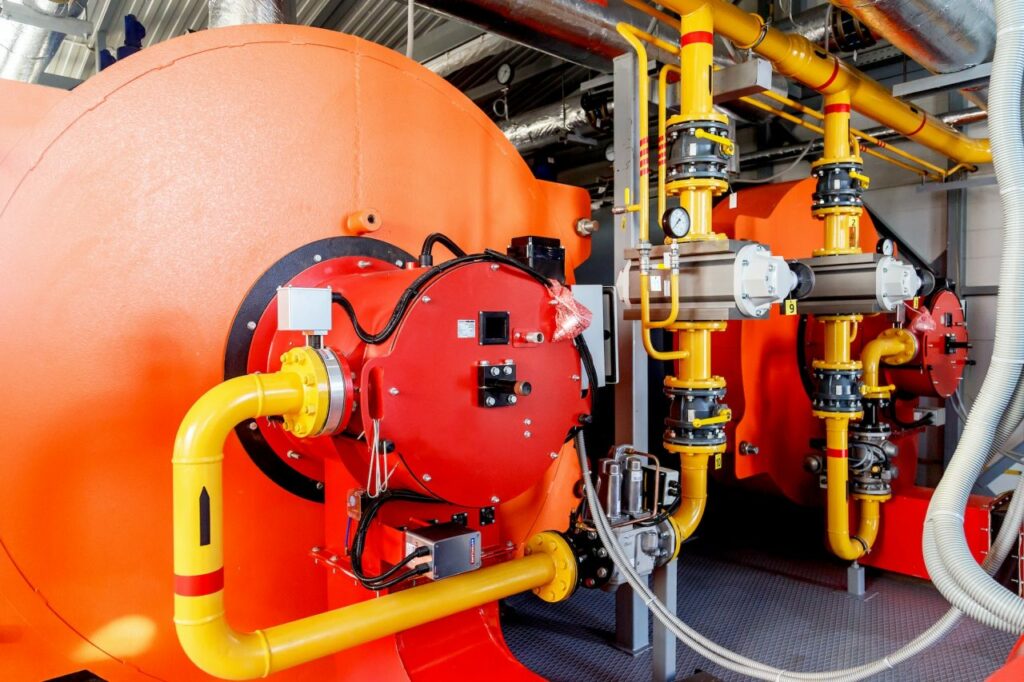
Natural gas pressure is one of the operating conditions that can determine whether a burner delivers the expected heat input. Pressure affects how much fuel can pass through the gas train and burner, so a change at the supply side can eventually appear as a weak flame, unstable combustion, insufficient heat, or difficulty maintaining the required firing rate.
Natural gas pressure is one of the operating conditions that can determine whether a burner delivers the expected heat input. Pressure affects how much fuel can pass through the gas train and burner, so a change at the supply side can eventually appear as a weak flame, unstable combustion, insufficient heat, or difficulty maintaining the required firing rate. At Career Burner, we consider available gas pressure as part of the burner selection process, helping ensure that the proposed combustion system is matched to the actual fuel conditions at the site.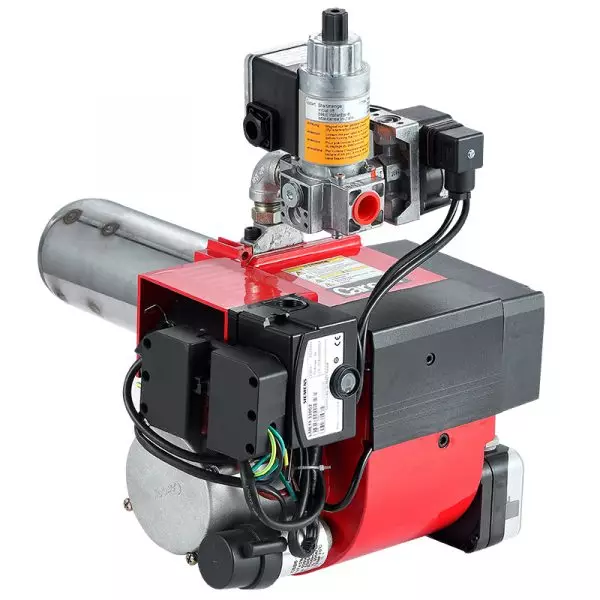
We do not treat pressure as an isolated specification. A burner operates within a complete gas and combustion system, and the relevant pressure depends on the burner design, gas-train components, fuel characteristics, and required firing rate. Understanding that relationship is more useful than assuming one pressure value fits every installation.
Pressure Sets the Conditions for Gas Delivery
A burner needs a controlled flow of fuel to produce a predictable heat release. Natural gas pressure provides the driving force that moves gas through valves, regulators, pipes, and the burner itself. Changes in that pressure can therefore change the available gas flow and, consequently, the burner’s heat input.
The relationship is not simply “higher pressure equals more heat.” Regulators, valves, orifices, control systems, and burner geometry all influence how the available pressure is converted into usable fuel flow. The complete arrangement determines the burner’s actual operating behavior.
Our gas-fired range spans 50 kW to 7000 kW, illustrating why pressure requirements cannot sensibly be separated from burner capacity and configuration. Different firing duties can require substantially different gas-delivery arrangements.
Too Little Pressure Can Restrict Firing
Insufficient inlet pressure can prevent a burner from receiving the fuel flow required for its intended firing rate. The immediate result may be reduced heat output, particularly when the equipment is operating near its higher demand.
A pressure problem can become more noticeable during startup or high-fire operation. The burner may light but fail to reach the expected capacity, or combustion may become less stable as the system attempts to increase fuel flow.
We would not diagnose low pressure from flame appearance alone. A proper investigation should establish the pressure available at the relevant point in the gas train while the burner is operating, because static supply pressure and operating pressure are not necessarily the same.
Excess Pressure Can Disturb Combustion Control
Excessive gas pressure creates a different problem. If the pressure entering the burner system is higher than the arrangement is designed to handle, the fuel flow can move outside the intended control conditions.
That can affect flame shape, combustion stability, and the relationship between fuel and combustion air. Simply reducing or increasing gas pressure without considering the associated air setting may therefore create another combustion problem instead of solving the original one.
Regulation is particularly important in this context. A burner system may include gas-pressure regulation and control components designed to keep fuel delivery within the conditions required by the burner. Their selection and adjustment should match the specific burner and installation rather than rely on a generic pressure target.
Pressure Changes Become Visible at the Flame
Operators often notice pressure-related problems through changes in burner behavior rather than through the pressure reading itself. Symptoms can include difficulty reaching the desired firing rate, changes in flame stability, unexpected flame characteristics, or inconsistent heating performance.
Heat demand provides another useful clue. If process conditions have not changed but burner output suddenly falls short, the gas supply deserves investigation alongside combustion-air delivery and control settings.
We at Career Burner provide automatic, modulating, compact, and heavy-duty gas burner configurations across its gas-fired product range. That variety reinforces why pressure should be evaluated against the specific burner configuration rather than treated as a universal value.
The Burner and Gas Train Must Be Evaluated Together
A burner does not receive gas directly from an abstract supply specification. Fuel passes through a system that can include isolation valves, filters, regulators, safety shut-off components, control valves, and connecting pipework. Every component can influence the pressure and flow ultimately available at the burner.
Pipe sizing can matter as well. A supply may show adequate pressure under static conditions but experience a significant pressure drop when several appliances operate simultaneously or when the burner moves toward higher firing rates.
Our approach to gas burner systems is therefore to consider the burner alongside the fuel source and control arrangement. The product page identifies natural gas and LPG among the compatible fuel gases, while also emphasizing that burner selection should consider heat output, fuel type, combustion efficiency, flame stability, emissions, and control features.
How We Approach Pressure-Related Burner Problems
A pressure investigation should begin with measurements rather than adjustments. We first want to know the fuel type, burner model, required heat input, available supply conditions, and the point at which pressure has been measured. Operating measurements are especially valuable because they show what the burner actually receives during combustion.
Next, we separate fuel-supply problems from combustion-control problems. A pressure drop may originate upstream of the burner, while an apparently abnormal flame could also result from incorrect air adjustment, a control issue, or another component in the system.
That distinction matters because changing regulator settings without identifying the cause can make commissioning more difficult. We prefer to establish the operating condition first, then determine whether the gas train and burner are working within their intended parameters.
Natural gas pressure affects burner performance because it influences the fuel flow available for combustion. Neither extremely low nor unnecessarily high pressure should be treated as inherently desirable. The correct condition is the one established by the burner design and complete gas-delivery system.
For anyone evaluating gas burners, the practical lesson is straightforward: do not select or troubleshoot a burner from supply pressure alone. Match the burner, gas train, fuel conditions, and firing requirements as one combustion system. That is how we achieve predictable heat delivery rather than simply chasing a pressure number.