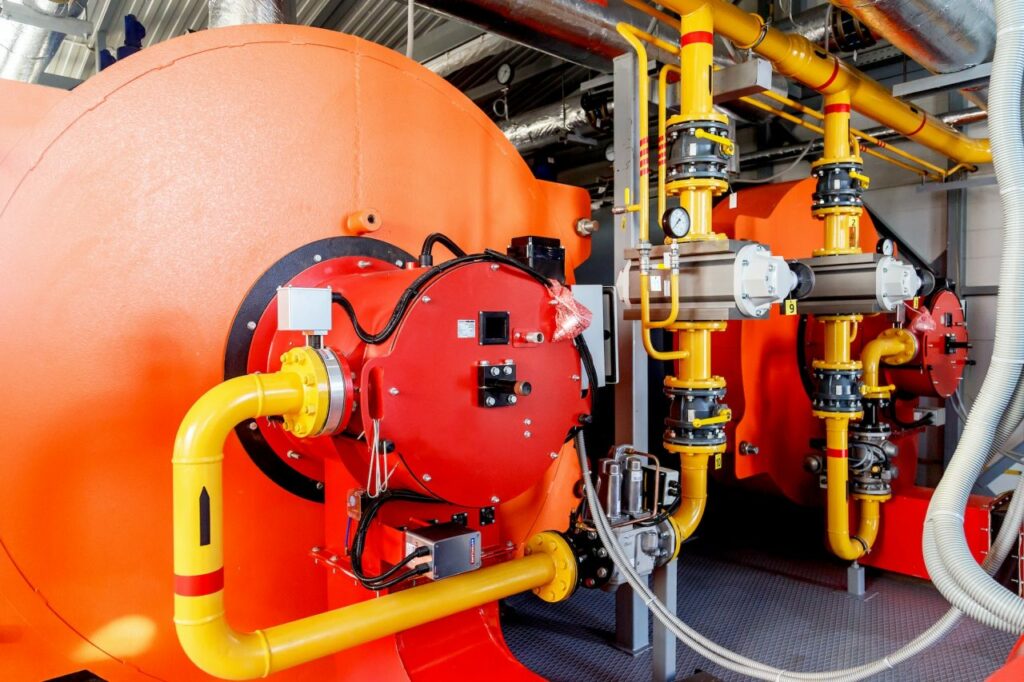
Heat generation inside an industrial burner is not magic—it’s controlled chemistry. The burner receives fuel, mixes it precisely with air, ignites the combination, and produces a flame whose intensity you can regulate. But most operators never think about what’s actually happening in that flame zone. Understanding the mechanics behind heat generation and control reveals why some burners deliver steady thermal output while others struggle with fluctuations that waste energy and damage equipment.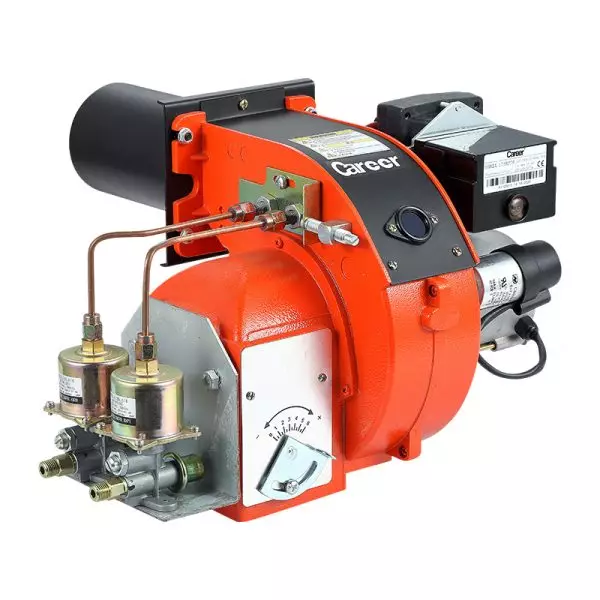
The Combustion Process: From Fuel to Controllable Heat
Combustion requires three elements: fuel, oxygen, and ignition temperature. When these meet in the right proportions, a chemical reaction occurs that releases energy in the form of heat and light. A methanol burner receives liquid or vaporized methanol, introduces compressed air, and ignites the mixture in a chamber designed to sustain and direct the flame.
The key insight is : the rate of heat release depends almost entirely on how much fuel and air enter the combustion zone per second. Double the fuel supply (and maintain proper air ratio), and you double the heat output. Reduce fuel by half, and heat output drops proportionally. This relationship is so direct that most burner control systems don’t actually “control heat”—they control the flow of fuel entering the flame.
Air and Fuel: The Variables That Define Heat Output
Industrial burners operate within a narrow band of fuel-to-air ratios. If there is too much fuel relative to air, combustion becomes incomplete, producing smoke, carbon monoxide, and wasted energy. If there is too much air and insufficient fuel, the flame cools or extinguishes entirely. For a methanol combustion system to generate steady, usable heat, the air-fuel ratio must remain stable across changes in load demand.
This is where precision matters. A 5% deviation in air-fuel ratio might reduce heat output by 8–12%, not a 5% change. Worse, incomplete combustion introduces unburned fuel that exits as visible smoke or hazardous emissions. Industrial customers running furnaces, boilers, or heating lines cannot tolerate this variability. The burner must respond to demand changes by adjusting both fuel and air in coordinated fashion, not one at a time.
How Methanol Combustion Systems Achieve Precision Control
Methanol burner technology relies on several design features to maintain consistent air-fuel ratios across operating ranges. Our systems use precision control mechanisms that coordinate fuel injection with air supply, ensuring neither outpaces the other during load shifts.
One critical component is the atomization unit. Methanol enters as a liquid and must be broken into fine mist before reaching the flame zone. Atomization increases surface area, accelerates evaporation, and allows more uniform mixing with incoming air. Without proper atomization, liquid methanol pools at the burner head, burns unevenly, and produces incomplete combustion and excessive emissions.
Air supply management is equally important. A variable-speed air fan or adjustable air damper allows the burner to increase or decrease oxygen supply proportionally to fuel flow. The methanol combustion system continuously monitors flame conditions through sensors and adjusts air and fuel simultaneously to maintain balance. This dual adjustment prevents the lag that occurs when only fuel is modulated while air remains fixed.
Temperature Regulation Without Throttling
Many industrial operators assume burner control means throttling fuel supply up and down—but this approach creates problems. When fuel drops suddenly, air supply stays momentarily high, and the flame cools rapidly. When fuel increases, air lags behind, and combustion becomes incomplete. Each transition produces thermal shock, wasted energy, and emissions spikes.
Modern methanol burner technology avoids this by ramping fuel and air together. If demand increases, the burner simultaneously increases fuel injection rate and air volume in milliseconds. If demand decreases, both drop in concert. The flame temperature remains stable, combustion stays complete, and heat output transitions smoothly. This synchronized response is why precision-controlled systems deliver more consistent steam, hot water, or process heat than older throttle-based designs.
Why Burner Design Matters for Heat Consistency
The difference between a burner that merely burns fuel and one that generates controlled heat lies in its architecture. Flame chamber geometry, burner head design, air distribution pattern, and control response time all influence how steadily heat output matches demand.
At Career Burner, our methanol systems integrate stainless steel combustion chambers, corrosion-resistant components, and built-in flame sensors that provide real-time feedback to the control system. This allows the burner to detect even small deviations from target air-fuel ratio and correct them before they affect thermal output. Over the course of a heating cycle, these constant micro-adjustments compound into dramatically more stable temperatures and fewer thermal fluctuations than burners without active feedback.
For industrial customers running textile equipment, boilers, kilns, or drying lines, this stability translates directly to product quality, energy savings, and reduced maintenance. Understanding how your burner generates and controls heat gives you the insight to select equipment that meets your actual operational demands rather than simply choosing based on capacity ratings alone.