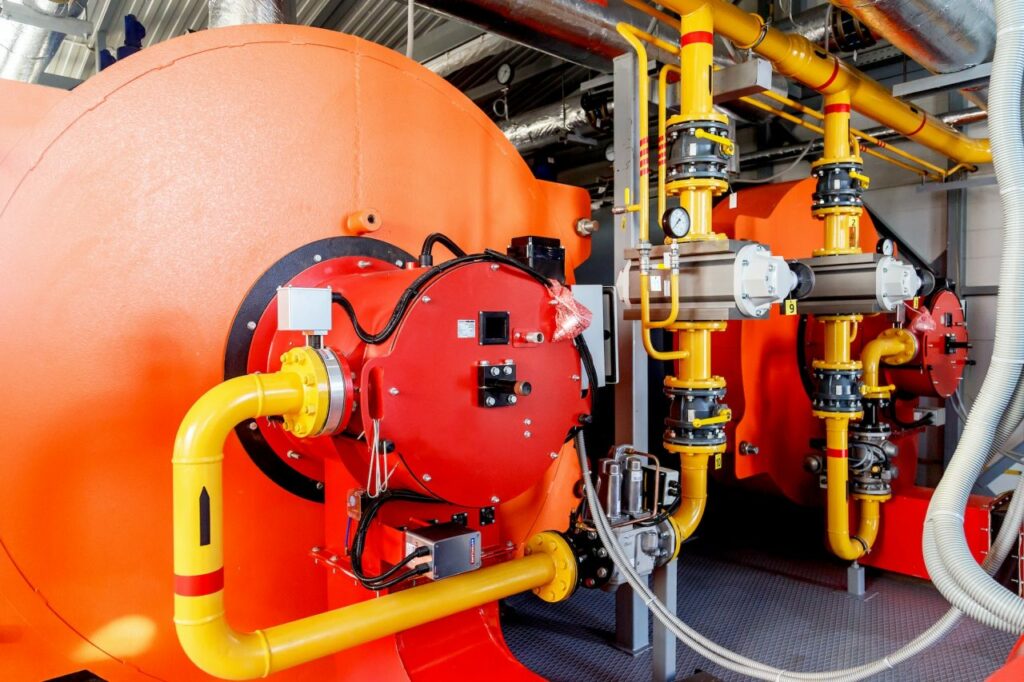
Plant engineers navigating thermal system upgrades encounter a wide array of configurations across commercial and manufacturing facilities. Broadly speaking, the market categorizes these thermal devices into Gas Burners, Oil Burners, Dual-Fuel Burners, Premix units, Nozzle-Mix units, Monoblock systems, and Duoblock assemblies.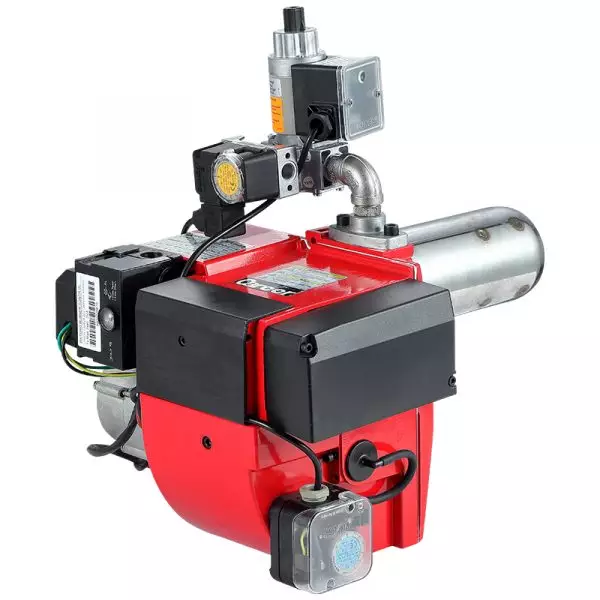
Each specific category addresses distinct fuel feeds, internal mixing dynamics, and spatial constraints within an active production plant. Evaluating these structural attributes prevents costly compatibility mismatches and unmanaged thermal inefficiencies during daily plant operations. Proper classification serves as the foundational first step toward effective system optimization.
Properly grasping these core categories enables plant operators to precisely match heating specifications with real process requirements, heat release rates, and thermal loads.
By selecting the ideal configuration, facilities can eliminate energy waste, regulate emissions, and ensure consistent heating performance throughout varying production cycles.
The following section explores how these foundational types perform in practical engineering applications and facility upgrades.
Fuel-Fired Categories: Gas, Oil, and Dual-Fuel Variants
Gas Burners represent the most common choice for clean-air manufacturing plants due to their straightforward operation and clean emission profiles. They require precise gas train regulation to maintain stable flames inside ceramic furnace chambers during heavy operating cycles.
Natural gas and propane fuels burn cleanly, minimizing soot formation and simplifying routine environmental compliance reporting for facility engineering teams.
Oil Burners rely on mechanical or air-atomization nozzles to break heavy and light fuel oils into fine droplets before ignition occurs. Heavy residual oils typically demand external preheating coils to reduce fluid viscosity and ensure proper atomization at the burner tip. Facilities utilizing these liquid systems must monitor storage tank conditions closely to prevent sludge accumulation and equipment fouling.
Dual-Fuel Burners provide operational flexibility by switching seamlessly between gaseous pipelines and stored liquid reserves during peak demand periods. This capability protects plants against regional utility curtailments and unpredictable spot-market price spikes across cold winter months.
This dual-fuel capability provides essential risk mitigation for plants operating under strict utility agreements. When evaluating industrial burners, engineers prefer dual-fuel options to maintain continuous production during unexpected utility supply interruptions.
Mixing Mechanics: Premix versus Nozzle-Mix Designs
Premix designs blend fuel and air upstream of the combustion zone, which can generate high flame speeds under specific stoichiometric ratios. This mixing method is frequently applied in radiant tube heating where uniform heat transfer across metallic surfaces matters significantly. However, premixed systems require reliable flashback arrestors and precise velocity monitoring to protect supply piping during low-fire modulation.
Nozzle-mix units keep fuel and air completely separate until they reach the burner head exit point in the furnace chamber. This configuration creates a diffusion flame pattern that often handles wide turndown ranges safely without risking regression into gas manifolds. Depending on burner design, nozzle-mix variants can distribute heat effectively across large refractory surfaces in high-temperature kilns.
Engineers configuring custom nozzle-mix installations often specify customized airflow geometries to control local vortex generation within the throat. This approach ensures complete fuel oxidation without forming destructive thermal hotspots on sensitive process materials or compromising product output.
Packaging Layouts: Monoblock and Duoblock Configurations
Monoblock units mount the combustion air fan directly onto the main chassis, providing a compact footprint for standard packaged boilers. This integrated arrangement streamlines installation in crowded utility rooms with limited overhead clearance and strict spatial constraints. Technicians often select monoblock models for smaller heating vessels where simplicity and quick installation are primary goals.
Large industrial furnaces handling massive heat inputs typically require duoblock configurations to manage high air volumes effectively. Duoblock systems separate the heavy combustion air blower from the burner body entirely, linking them through external ductwork. Isolating the blower motor reduces mechanical vibration transmission, protecting delicate electronic sensors and extending component service life.
Advanced industrial combustion equipment frequently utilizes duoblock layouts to handle high static pressure drops across complex heat exchangers. Facilities implementing Career Burner solutions often adopt this layout to isolate heavy rotating machinery from sensitive control panels.
Technical Selection Parameters for Plant Operations
Selecting the optimal variant involves evaluating thermal output ratings, turndown ratios, and precise regulatory emission limits. A wide turndown capability helps prevent short-cycling during partial-load operations, saving fuel across shifting seasonal plant cycles.
Low-NOx designs utilize internal flue gas recirculation or staged air injection to suppress flame temperature peaks and satisfy local environmental rules. Engineers must also consider burner turndown limits and draft losses when reviewing thermal specifications.
Retrofitting legacy heating vessels often demands custom burner modifications to fit restricted mounting plates. Our engineering teams at Career Burner evaluate existing gas pressure drops and electrical control voltages before finalizing any upgrade package. This careful technical alignment guarantees seamless mechanical integration without requiring complete furnace overhauls.
Selecting reliable industrial burners requires a comprehensive review of electrical control architectures and integrated safety interlocks. Modern programmable burner management systems monitor flame scanners, gas pressures, and purge cycles continuously to safeguard plant personnel.
Proper tuning of fuel-to-air ratios is critical for minimizing fuel waste. Upgrading aging industrial combustion equipment revitalizes legacy thermal assets while maximizing overall operating efficiency.
At Career Burner, we provide specialized configurations that empower plant operators to achieve strict environmental targets while maintaining steady thermal output. Balancing fuel availability, mixing dynamics, and physical space constraints ensures your heating infrastructure delivers compliant performance for years.