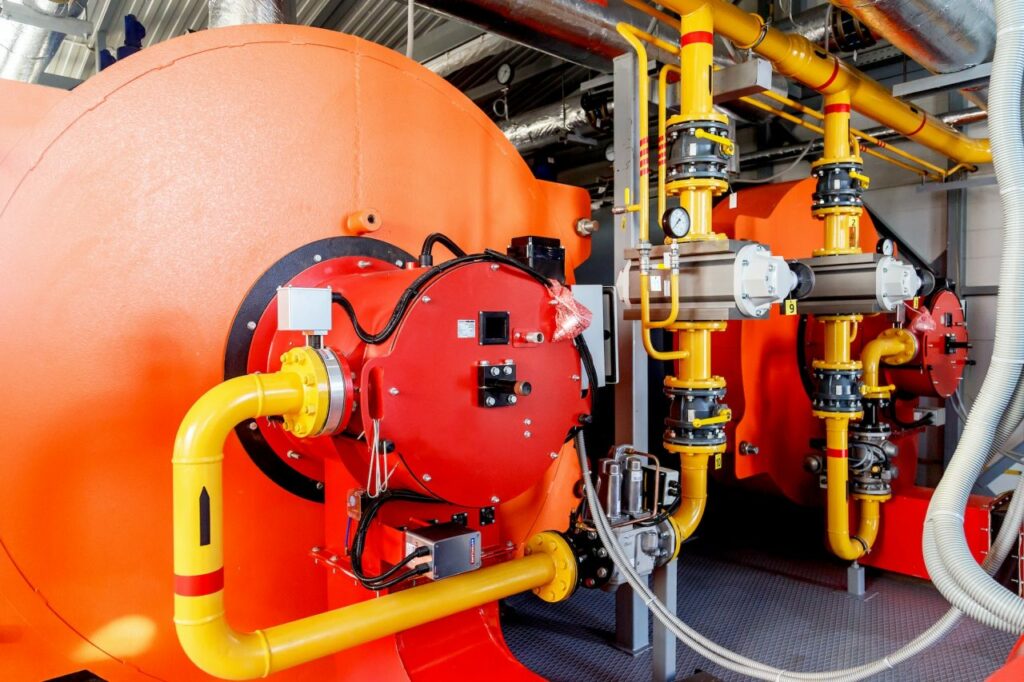
Few frustrations match walking to your industrial heating system, flipping the switch, and hearing nothing but silence or the hum of a fan without flame. When a burner refuses to ignite, production stops, temperatures drop, and costly delays mount. Ignition failure stems from a predictable set of causes—fuel supply interruptions, electrical faults, or safety system lockouts. Diagnosing the issue systematically saves hours of guesswork and prevents unnecessary component replacement.
At Career Burner, we have spent over thirty years engineering reliable heating equipment, and we know that most ignition problems have straightforward solutions once you know where to look.
Fuel Supply and Delivery Problems
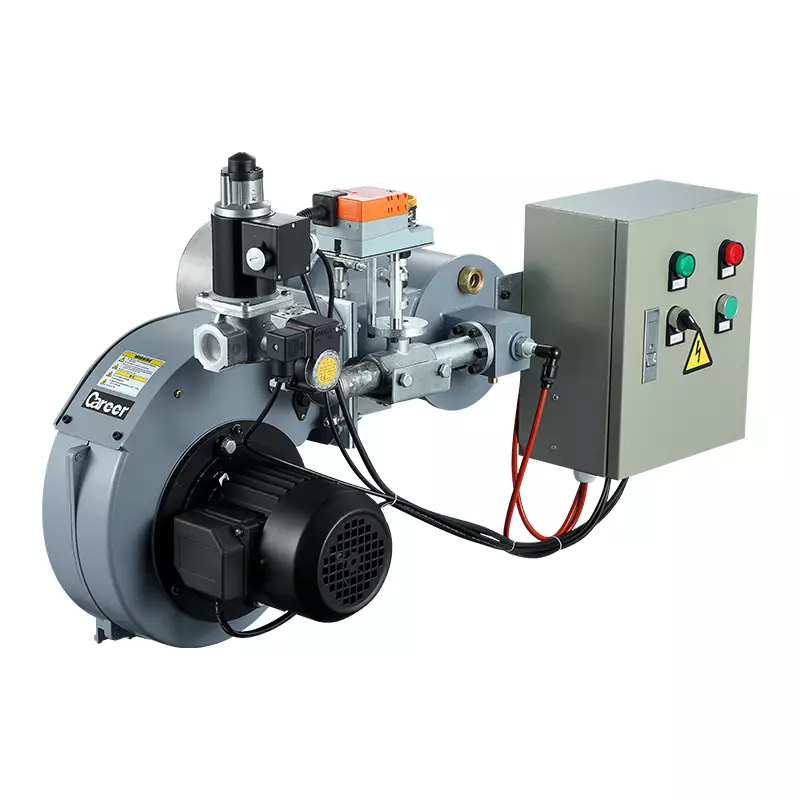
Before examining any internal components, verify that fuel is reaching the burner. An industrial LPG burner requires consistent gas pressure—typically between 3 and 10 inches of water column depending on the model. Closed manual shut-off valves, empty storage tanks, frozen vaporizers, or pressure regulators that have failed can all starve the burner. For LPG specifically, cold weather reduces tank pressure, sometimes causing the safety valve to trip. Check all isolation valves, confirm tank levels above 20%, and listen for gas flow when the purge cycle completes. Our Career Burner systems, including the BX20 immersion tube burner, incorporate pressure monitoring as part of their advanced safety package—but field-installed supply components remain the operator’s responsibility. A simple manometer test at the burner inlet often reveals the culprit within minutes.
Ignition System and Flame Detection Faults
If fuel is present but no flame appears, examine the spark ignition system. Worn ignition electrodes, cracked ceramic insulators, or improper electrode gap settings prevent spark generation. Electrodes should show bright blue spark; yellow or absent spark indicates replacement. Even with good spark, the flame detection system may lock out the burner. Flame rods (rectification sensors) accumulate carbon deposits over time, while ultraviolet scanners lose sensitivity. An industrial LPG burner that fires, then immediately shuts down, nearly always points to a failed flame signal. Cleaning the flame rod with fine steel wool or replacing a degraded UV scanner typically restores normal operation. The BX20’s mechanical continuous modulation with 40:1 turndown relies on stable flame detection—without it, safety systems override all commands.
Control System Lockouts and Safety Interlocks
Modern burners contain multiple safety layers that intentionally prevent ignition when conditions are unsafe. High-limit temperature switches, low-water cutoffs (for boilers), air pressure switches, and valve leak detection systems can all hold the burner in standby. The control panel’s LED display or fault code indicator remains the quickest diagnostic tool. For Career Burner equipment, our advanced safety systems include flame detection, pressure monitoring, and automatic shut-off. A locked-out controller requires manual reset—usually pressing the red button for three seconds—after the underlying condition clears. Never repeatedly reset a burner without identifying the root cause, as this risks fuel accumulation and dangerous delayed ignition.
Restoring Reliable Ignition with Career Burner
Ignition failures rarely indicate a burner at the end of its life. Most stem from external fuel supply issues, dirty sensors, or tripped safety devices—all correctable during a single maintenance visit. Career Burner has manufactured fuel oil and gas burners in Foshan, China since 1994, delivering customized solutions with batch consistency error below 0.5%. Our BX20 immersion tube burner exemplifies reliable design: forced-draft air supply, dual-fuel compatibility for natural gas and LPG, servo motor load adjustment, and easy maintenance access. For textile dyeing, finishing, and other liquid heating applications requiring dynamic heat loads, our industrial LPG burner solutions combine thermal efficiency with low emissions. We recommend partnering with Career Burner for a full system audit—our engineering team integrates third-party testing resources and provides ignition troubleshooting specifically tailored to your facility’s configuration. Let us keep your flames burning safely and consistently.