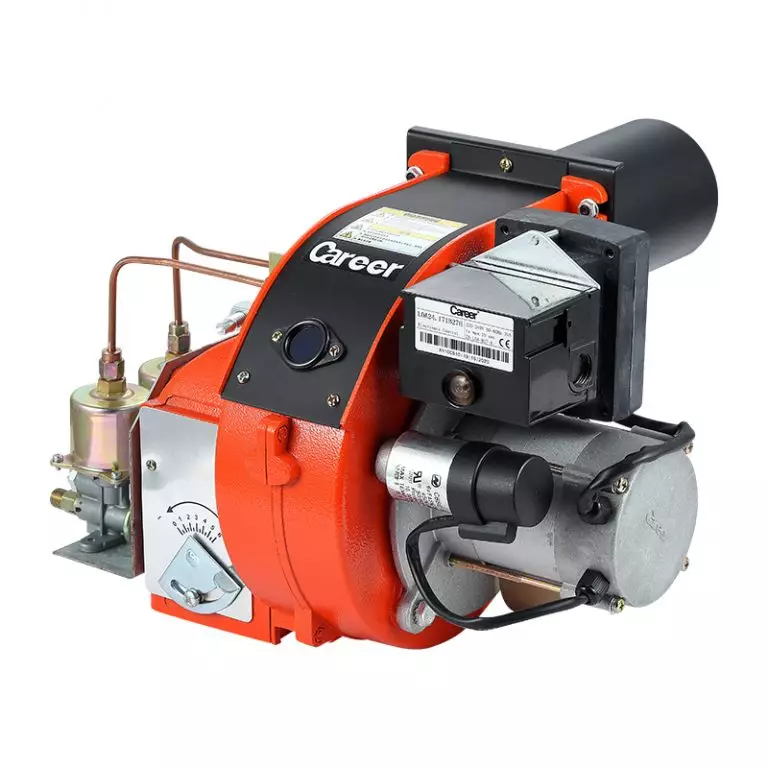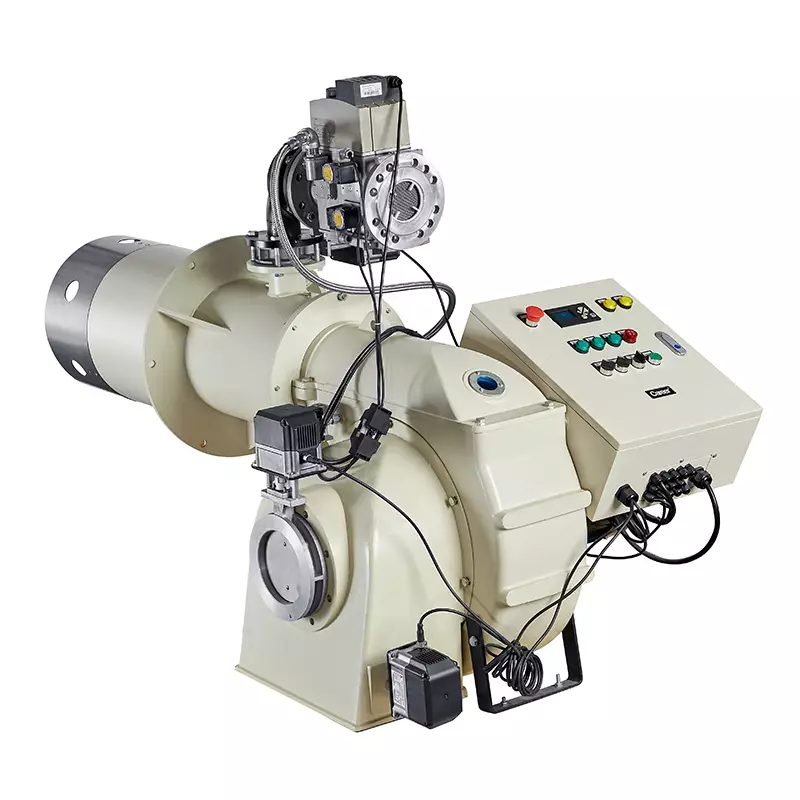
When you first open a burner datasheet, curves, and technical abbreviations can feel overwhelming. Yet understanding these documents is essential for selecting the right equipment—whether for a new boiler, a retrofit, or an industrial process.
At Career Burner, we’ve spent years helping engineers and plant managers decode these specifications. We provide Career Burner combustion solutions ranging from 50 kW to 7000 kW, including our advanced hydrogen gas burner options. We believe that a datasheet isn’t just a list of features; it’s a roadmap to safety, efficiency, and long-term reliability. Let us walk you through the key sections.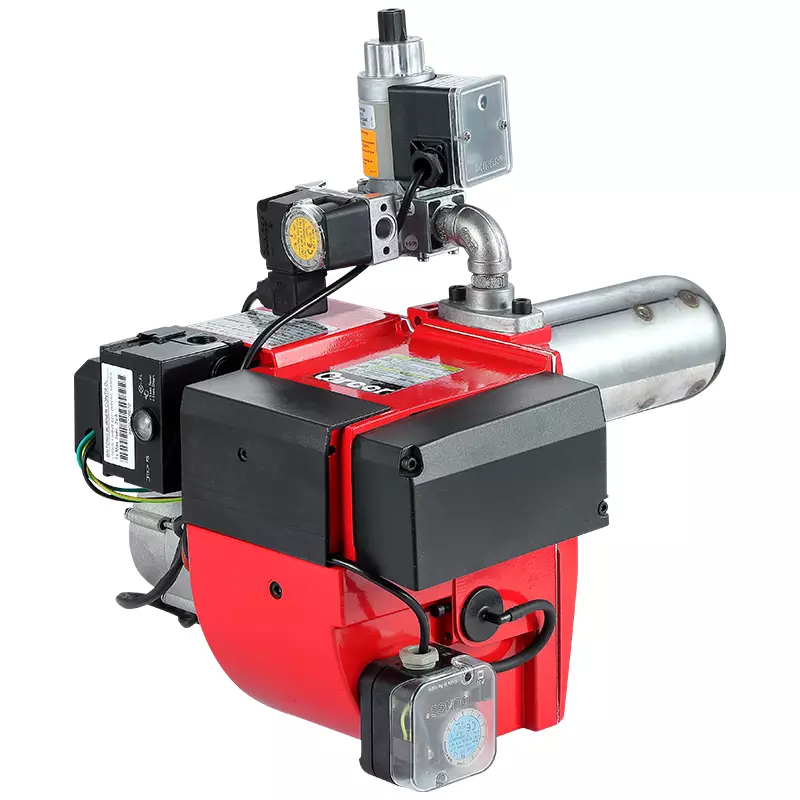
Capacity and Fuel Type Range
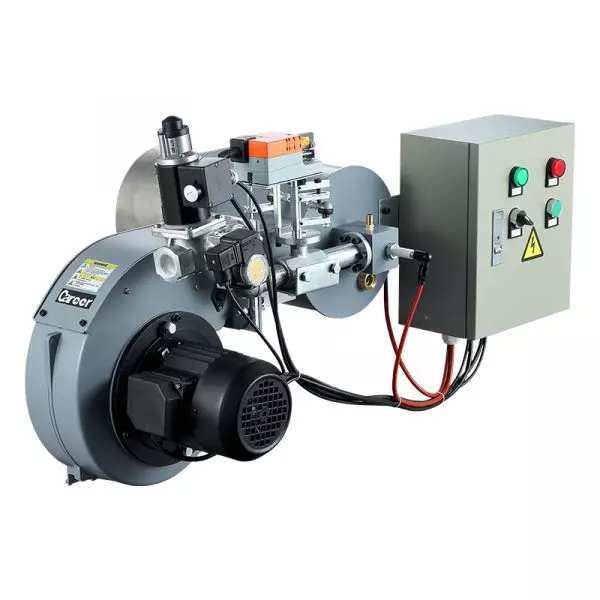
The first thing to locate is the burner’s power range, typically shown in kW or BTU/hr. For example, our Career Burner GX12A model covers 50–7000 kW, making it suitable for small process heaters up to large industrial boilers. Next, check the approved fuel types. A versatile datasheet will list natural gas, LPG, biogas, and increasingly hydrogen gas burner compatibility. If your operation plans to transition to greener fuels, ensure the datasheet explicitly states hydrogen blends (e.g., H₂ up to 20% or 100%). Without this, future fuel switching becomes costly.
Efficiency and Emissions Data
Look for thermal efficiency percentages and emission values (NOx, CO). High-efficiency burners reduce energy bills and carbon footprints. Our Career Burner combustion solutions emphasize low emissions without sacrificing output. Also examine the turndown ratio—this tells you how flexibly the burner modulates. A ratio of 10:1 or higher means stable operation across varying loads. Quiet operation and easy maintenance, as noted on our GX12A datasheet, are practical indicators of thoughtful design.
Physical Dimensions and Component Availability
Never skip the mechanical drawings. Verify flange sizes, tube length, and clearance for servicing. A good datasheet also mentions spare parts availability. We design our burners with easy-to-find components in the market, reducing downtime. If the datasheet lacks details on ignition systems, flame controls, or gas train compatibility, request a supplemental document.
Conclusion
Reading a burner datasheet becomes straightforward once you focus on capacity, fuel flexibility, efficiency, emissions, and physical fit. For operations planning a hydrogen gas burner upgrade or seeking reliable Career Burner combustion solutions, the datasheet is your first and most honest partner. We encourage you to compare specifications carefully and test claims against real-world needs. At Career Burner, we stand behind transparent, detailed datasheets because we know your process depends on them. Whether you choose our GX12A for a boiler or explore our hydrogen-ready lineup, we recommend Career Burner for performance you can measure and trust.