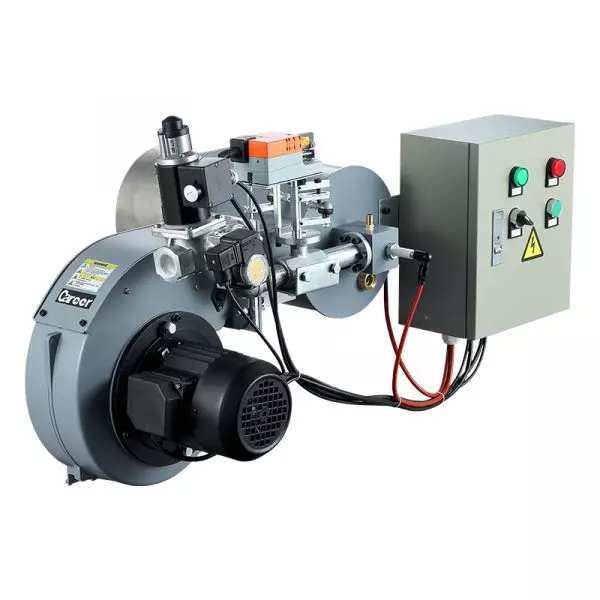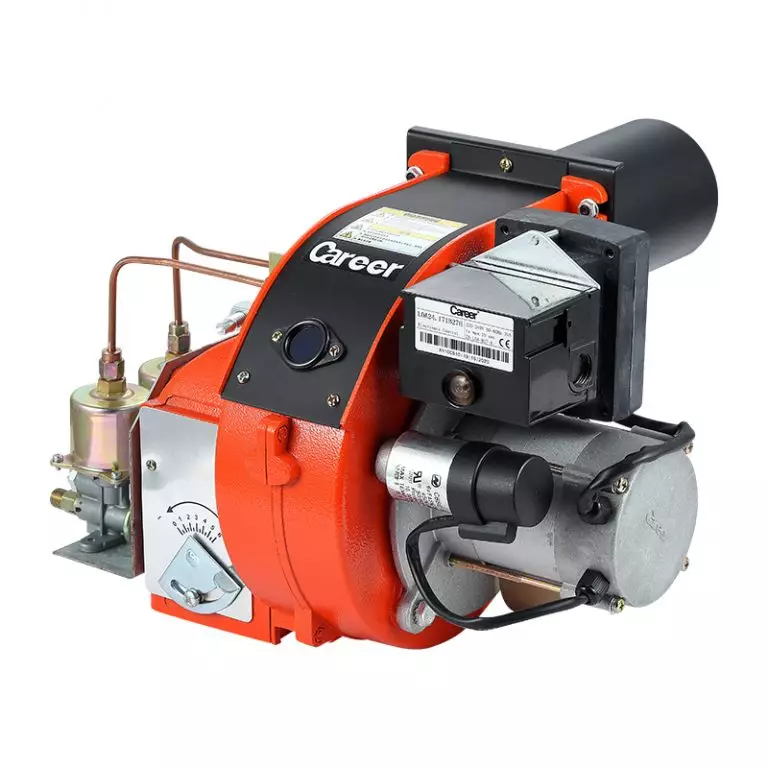
Selecting between a gas burner and a diesel burner is one of the most consequential decisions for any industrial facility. The choice affects fuel costs, emissions compliance, storage infrastructure, maintenance frequency, and operational flexibility. Gas burners typically run on natural gas, LPG, or biogas—cleaner fuels with stable pricing in many regions. Diesel burners, also known as oil burners, use light oil or diesel, offering higher energy density but requiring on-site tanks and more frequent filter changes. Which one is right for your operation? The answer depends on your local fuel availability, environmental regulations, and load profile.
At Career Burner, we have engineered ultra low NOx burner solutions that excel in gas-fired configurations, while also offering robust oil burner options. With AI-optimized efficiency and AI-driven air-fuel ratio control, we help customers make data-driven fuel decisions.
Fuel Availability and Storage Infrastructure
Natural gas is ideal when a pipeline is already present at your facility. It requires no on-site storage, eliminates fuel deliveries, and reduces spill risks. However, if your plant is in a rural area or a region with unreliable gas supply, diesel becomes more attractive. Diesel stores in standard tanks, providing weeks of autonomy during gas curtailments. But storage brings costs: tank rental, secondary containment, fuel polishing systems, and regular testing for water and microbial growth. A Career Burner ultra low NOx burner running on natural gas avoids these burdens entirely. For facilities that experience seasonal gas interruptions, a dual-fuel burner (gas with diesel backup) offers the best of both worlds.
Emissions and Regulatory Compliance
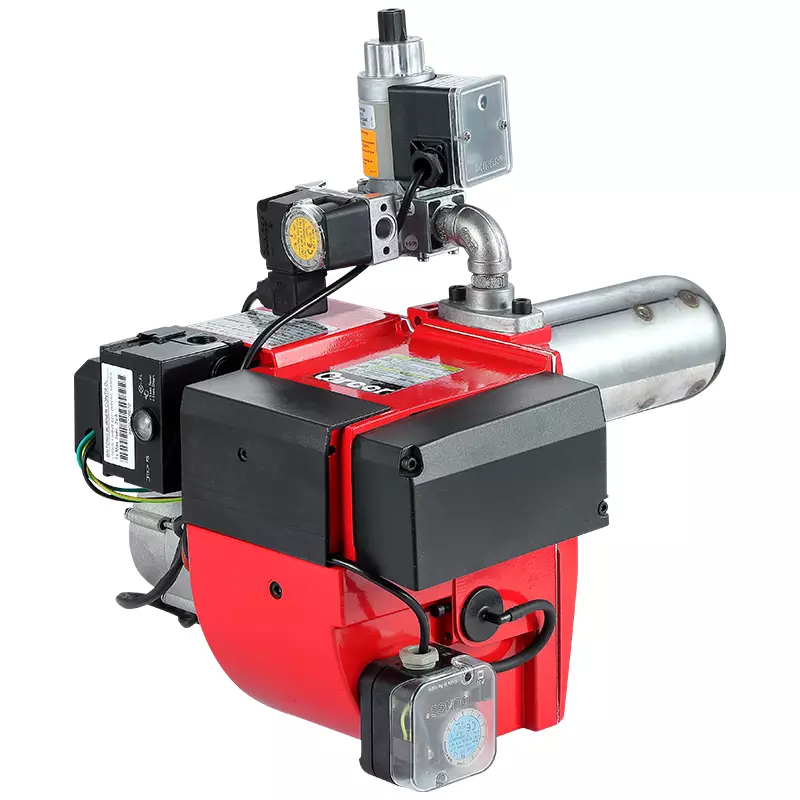
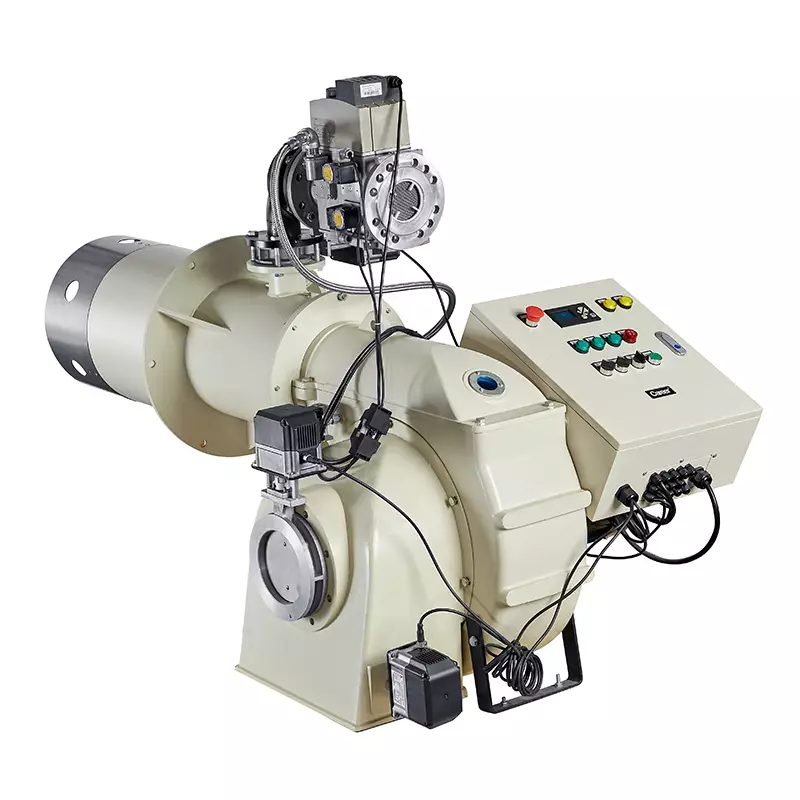
Environmental regulations increasingly favor gas over diesel. Gas combustion produces virtually no particulate matter, very low sulfur oxides, and significantly lower nitrogen oxides when paired with modern low-NOx technologies. Diesel, even ultra-low-sulfur grades, generates higher NOx and PM emissions, requiring selective catalytic reduction or exhaust filtration in strict jurisdictions. Career Burner specializes in ultra low NOx burner designs—such as the NXQEF-3.0 model—that reduce NOx emissions through optimized combustion staging and flue gas recirculation. Available in capacities from 1400 to 3000 kW, these burners achieve clean combustion with low NOx levels, energy savings, and high-efficiency while running on natural gas, LPG, or biogas. If your facility must meet stringent air permits, a gas burner with our ultra low NOx technology is the clear winner.
Total Cost of Ownership and Maintenance
Diesel burners require more hands-on maintenance: nozzle cleaning, pump seal replacements, filter changes, and periodic tank cleaning. Gas burners have simpler fuel trains—just a pressure regulator, safety shutoff valves, and a gas butterfly valve—resulting in lower annual service costs. However, diesel fuel often provides higher BTU per gallon, which can offset price differences in some markets. When calculating total cost of ownership, include fuel price volatility, storage equipment depreciation, and labor for maintenance. Career Burner addresses both fuel types with AI-driven air-fuel ratio control, ensuring optimal efficiency and minimizing emissions regardless of your choice. Our components are easy to find in the component market, and installation and maintenance are straightforward across our product line.
Making the Final Decision
There is no universal answer, but here is our rule of thumb: choose gas when pipeline access exists and emissions regulations are tight; choose diesel when gas is unavailable or you need fuel security during grid interruptions. For most industrial users, a Career Burner ultra low NOx burner running on natural gas delivers the lowest long-term cost and cleanest compliance profile. We recommend evaluating your local fuel pricing trends, speaking with an emissions consultant, and contacting Career Burner for a site-specific analysis. With over three decades of experience, AI-optimized efficiency, and products like the NXQEF-3.0 (available for natural gas, LPG, and biogas), we will help you select the burner that keeps your production running reliably and responsibly. Reach out today—let us match the right fuel to your fire.