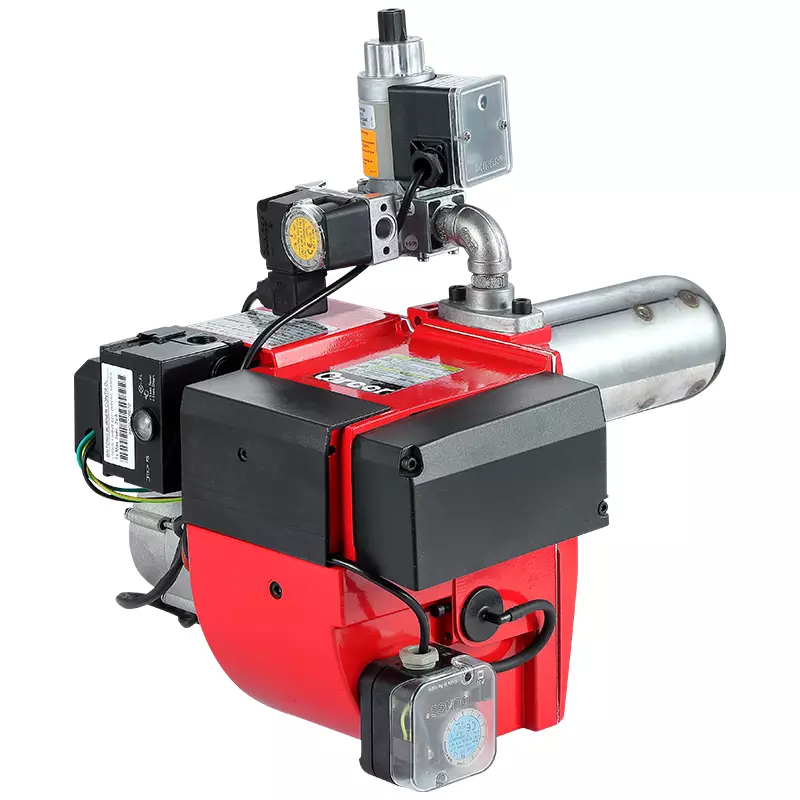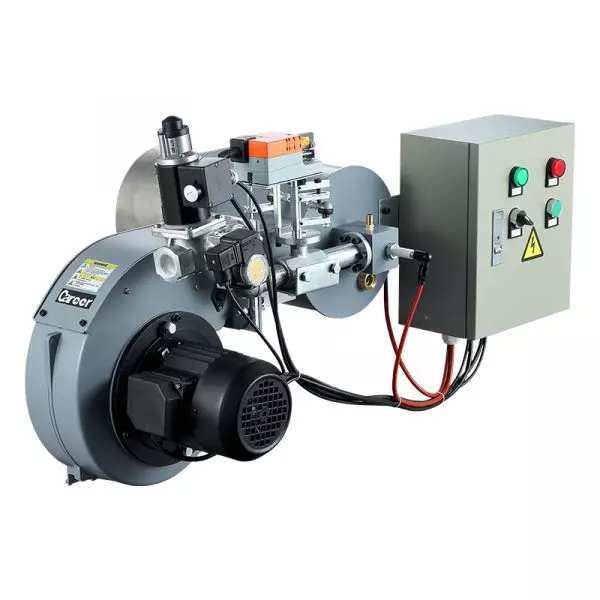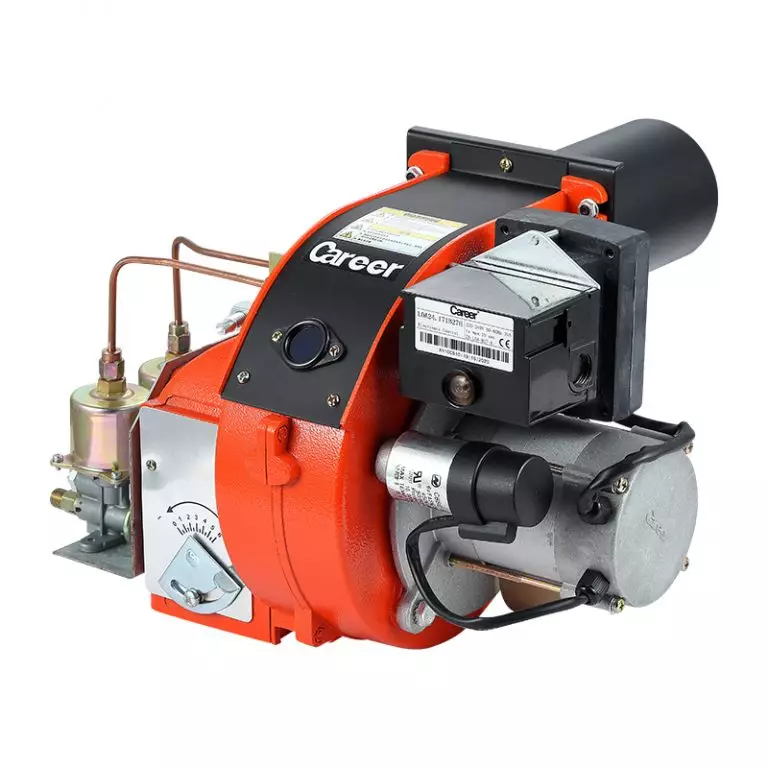
When maintenance teams discover black, crusty deposits inside combustion chambers or on burner heads, operational efficiency suffers immediately. Carbon accumulation disrupts flame patterns, increases fuel consumption, reduces heat transfer, and eventually triggers nuisance shutdowns or unsafe operating conditions. This problem plagues facilities across food processing, metal treatment, and steam generation applications, yet many operators accept it as inevitable. The truth is that carbon deposits follow predictable combustion patterns—and understanding those patterns empowers facilities to extend service intervals and protect equipment longevity. At Career Burner, we have engineered Career Burner industrial burners for over three decades, helping clients minimize carbon-related downtime through smarter system design and proactive maintenance protocols.
Incomplete Combustion – The Primary Driver of Carbon
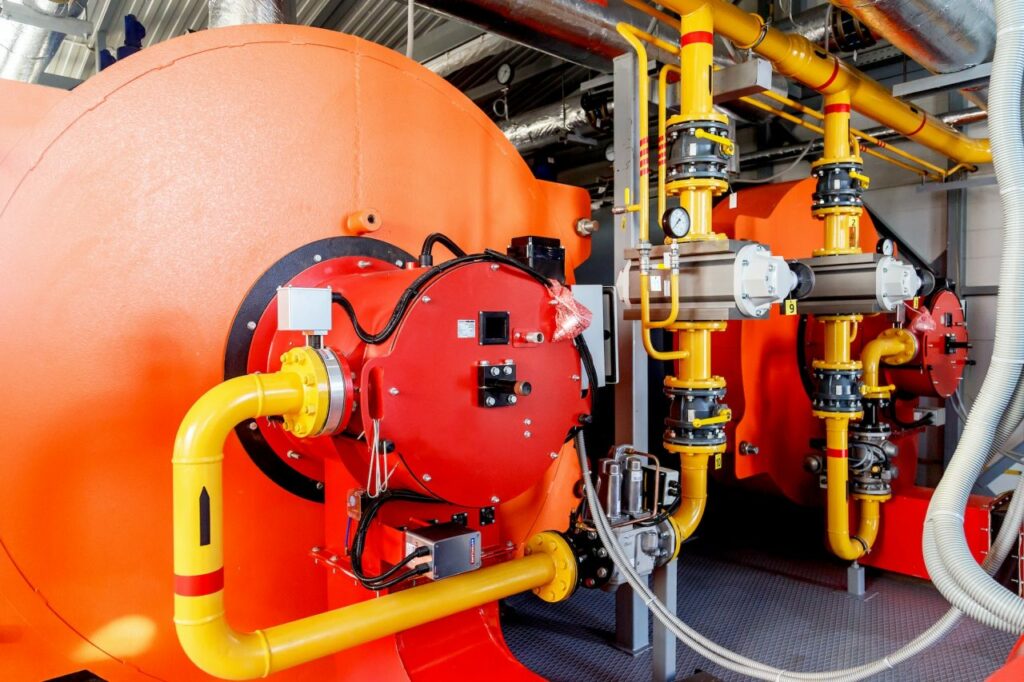
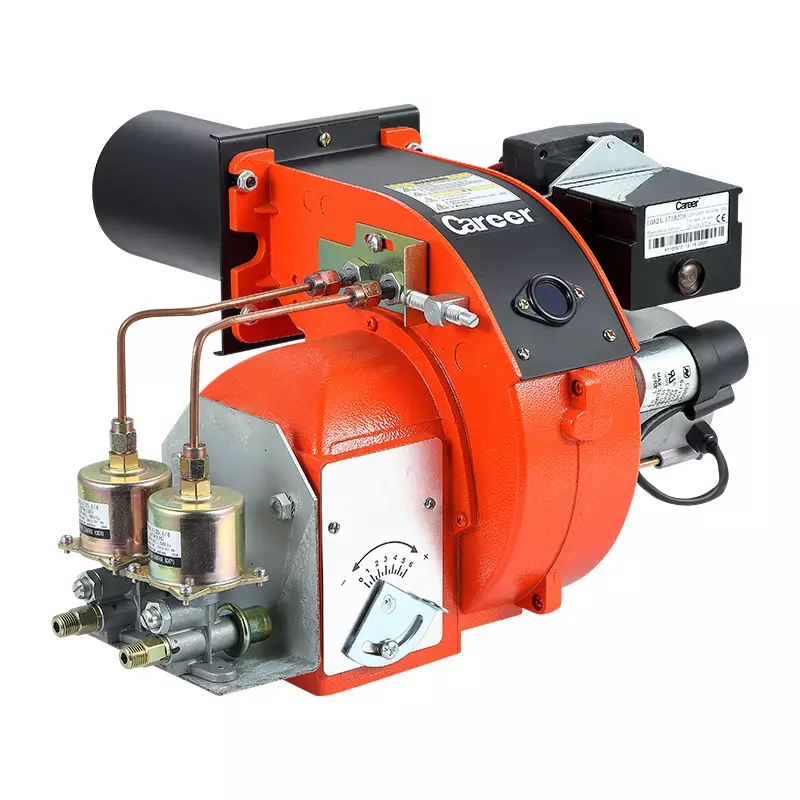
Carbon deposits form when fuel molecules fail to burn completely, leaving solid residues that adhere to burner components. This typically traces to insufficient oxygen reaching the flame zone or improper fuel atomization. A methanol burner like our DX10-2 series uses high-pressure mechanical atomization to break liquid fuel into a fine mist; when nozzle pressure drops or air flow regulators become miscalibrated, larger droplets emerge, and those unvaporized droplets carbonize upon contact with hot surfaces. Similarly, gas burners experience incomplete combustion from clogged air intakes or fuel pressure fluctuations. The solution begins with verifying air-to-fuel ratios weekly using portable combustion analyzers. Facilities that maintain oxygen levels between 3% and 6% in exhaust streams typically see dramatic reductions in deposit formation.
Fuel Quality and Contamination Issues
Even perfectly tuned burners cannot compensate for degraded fuel. Methanol absorbs atmospheric moisture over time, and water-contaminated methanol burns cooler and less completely—directly accelerating carbon buildup. For Career Burner industrial burners configured for methanol applications, we recommend fuel storage tanks with desiccant breathers and regular water content testing. In dual-fuel systems switching between methanol and waste oil, incomplete purging leaves residual fuel that polymerizes into hard deposits. Our DX10-2 Methanol Burner, designed for steam boilers from 50-300kW, features easy atomizer maintenance without removal, simplifying routine cleaning. Standardized components also mean filters and nozzles are readily available, eliminating extended downtime waiting for specialty parts.
Operational Patterns and Startup Procedures
Frequent short-cycling—repeated startup and shutdown over brief intervals—prevents combustion chambers from reaching stable operating temperatures. During warm-up phases, excess fuel injection without fully preheated air promotes carbon adhesion. Conversely, extended low-fire operation below 30% of rated capacity reduces flame temperatures and combustion efficiency. Implementing minimum runtime schedules for methanol burner systems significantly reduces deposit rates. Additionally, cold starts without proper pre-purge cycles allow unburned fuel vapor to condense on cold surfaces, forming sticky layers that harden over time. We advise programming at least 15 seconds of pre-purge air flow before ignition on every start command.
Proactive Carbon Management with Career Burner
Carbon deposits are not a design flaw—they are a diagnostic signal pointing to correctable issues in air supply, fuel quality, or operational sequencing. Regular inspection of air filters, nozzle condition, and combustion chamber cleanliness prevents minor buildup from becoming major failures. Career Burner has manufactured fuel oil and gas burners in Foshan, China since 1994, integrating R&D, production, and sales into a family-led enterprise with over 30 years of tested excellence. Our DX10-2 Methanol Burner delivers steady combustion, quiet operation, and low maintenance for steam boiler applications. We recommend partnering with Career Burner for a complete combustion system review—our expertise across methanol, gas, and oil applications ensures your equipment runs cleaner, longer, and more efficiently. Let our proven solutions keep carbon deposits where they belong: in your maintenance log, not on your burner.