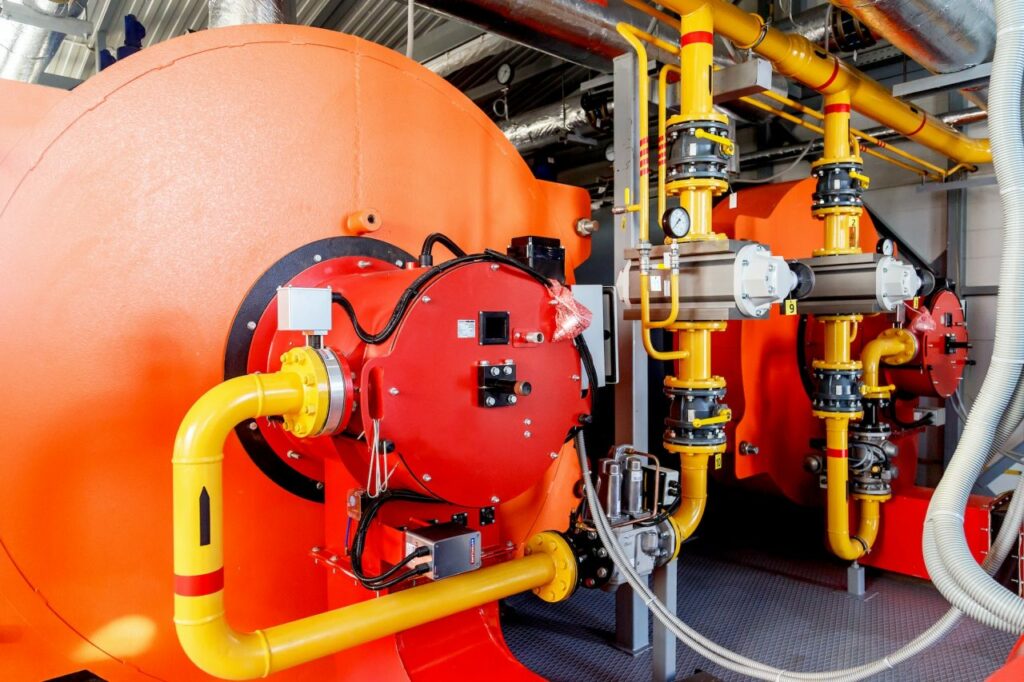
Flame instability in industrial burners manifests as flickering, lifting, detachment, or pulsation, leading to reduced heat transfer, increased emissions, and even costly shutdowns. For operators relying on continuous thermal processing, these disruptions translate directly into productivity losses and safety hazards. Understanding the root causes—from fuel variations to aerodynamic disturbances—is the first step toward reliable combustion.
At Career Burner, we have spent years analyzing these failure modes across thousands of installations, and we know that instability rarely stems from a single source. Instead, it emerges from the interplay between fuel properties, combustion chamber dynamics, and burner design limitations.
Fuel Composition Fluctuations
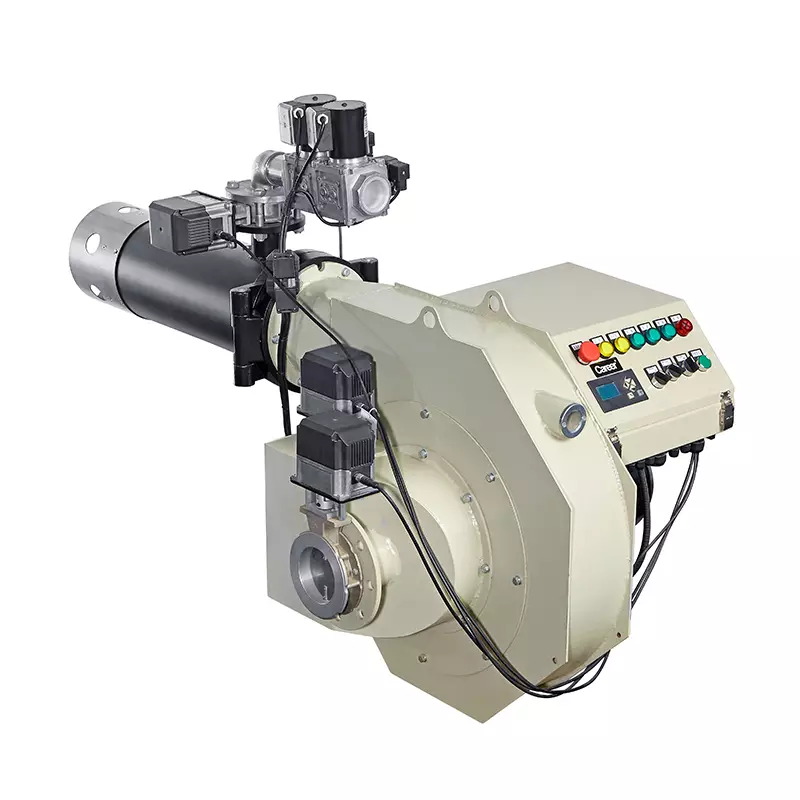
Industrial burners often face inconsistent fuel quality—varying methane numbers in natural gas, fluctuating hydrogen content in process gases, or pressure drops in liquid fuels. When fuel composition shifts unexpectedly, the air-to-fuel ratio deviates from its optimal point, causing lean blowouts or rich sooting. Even a 5% variation in lower heating value can destabilize a flame front. Modern solutions, such as the Career Burner low NOx burner line, incorporate adaptive fuel mapping and real-time sensors to anticipate these shifts, yet many legacy systems lack this intelligence, leaving operators vulnerable to unpredictable fuel streams.
Aerodynamic and Recirculation Issues
Flame stability relies on a balanced flow field where the burner’s velocity matches the flame speed. Excessive swirl, obstructed secondary air paths, or backpressure from clogged heat exchangers distort the recirculation zone—critical for anchoring the flame. When recirculation weakens, the flame lifts from the burner tile, leading to intermittent quenching and unburned hydrocarbons. Specifically, low NOx burner designs use staged combustion and flue gas recirculation to suppress thermal NOx formation, but if those recirculation loops are poorly calibrated or fouled, the same mechanism that reduces emissions can inadvertently promote oscillations.
Mechanical Wear and Control Lag
Over time, burner components—flame rods, dampers and gas nozzles—drift from factory specifications. Simultaneously, outdated control systems introduce latency in adjusting the air-fuel ratio during load changes. A two-second lag during a 30% load ramp can produce a flame instability cascade. Career Burner addresses this through AI-optimized efficiency algorithms and application-tailored designs compatible with 12/24VDC and 60Hz for off-grid and vehicular use, ensuring that even in rugged environments, response times remain under 100 milliseconds.
Strengthening Your Combustion Foundation
Flame instability is not an inevitable cost of industrial heating—it is a solvable engineering challenge. By diagnosing fuel variability, auditing aerodynamic layouts, and upgrading to responsive control architectures, facilities can achieve both steady flames and lower emissions. Career Burner produces fuel oil and gas burners with precision customization and AI-driven air-fuel ratio control, ensuring optimal efficiency while minimizing emissions. Our low NOx burner range, available from 1400–3000 kW, is specifically designed to reduce nitrogen oxide emissions in industrial boilers and power plants, helping you meet stringent environmental regulations without sacrificing operational stability. Let us help you replace uncertainty with reliability—reach out to Career Burner today for a combustion system that stays steady under pressure.