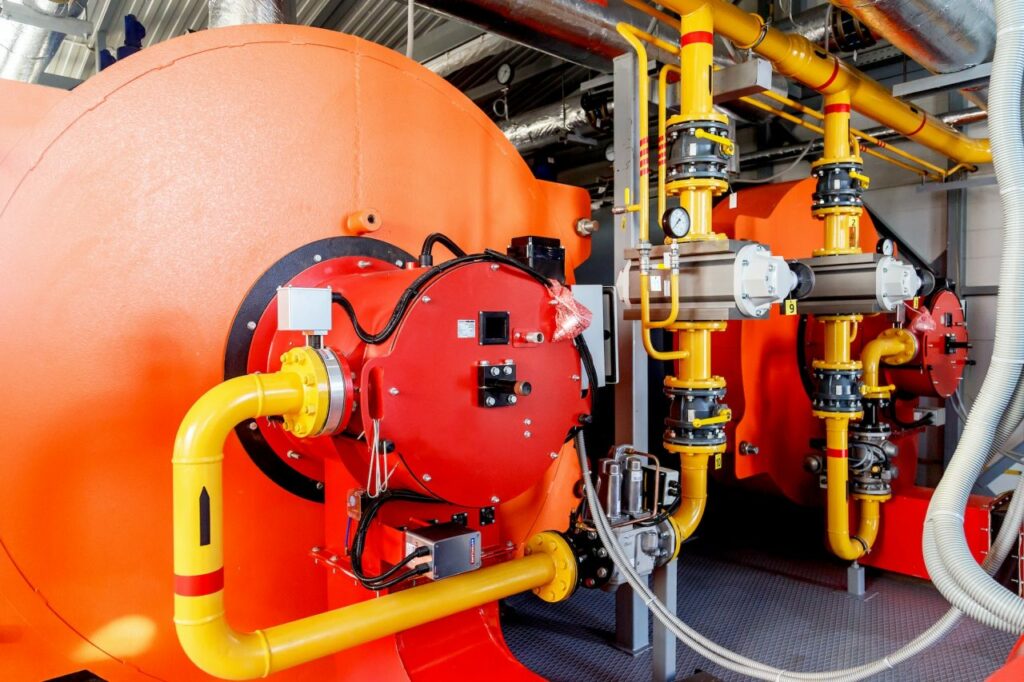
A sudden flame failure on an industrial burner triggers an immediate shutdown—halting production, cooling down processes, and often requiring a manual reset. For plant managers, every minute of unplanned downtime translates directly into lost revenue. But what actually causes a burner flame to extinguish unexpectedly? The answer rarely points to a single issue. Instead, flame failure typically stems from one of three root categories: fuel supply interruptions, combustion air instability, or sensor/monitoring system faults. Understanding these failure modes is the first step toward preventing them.
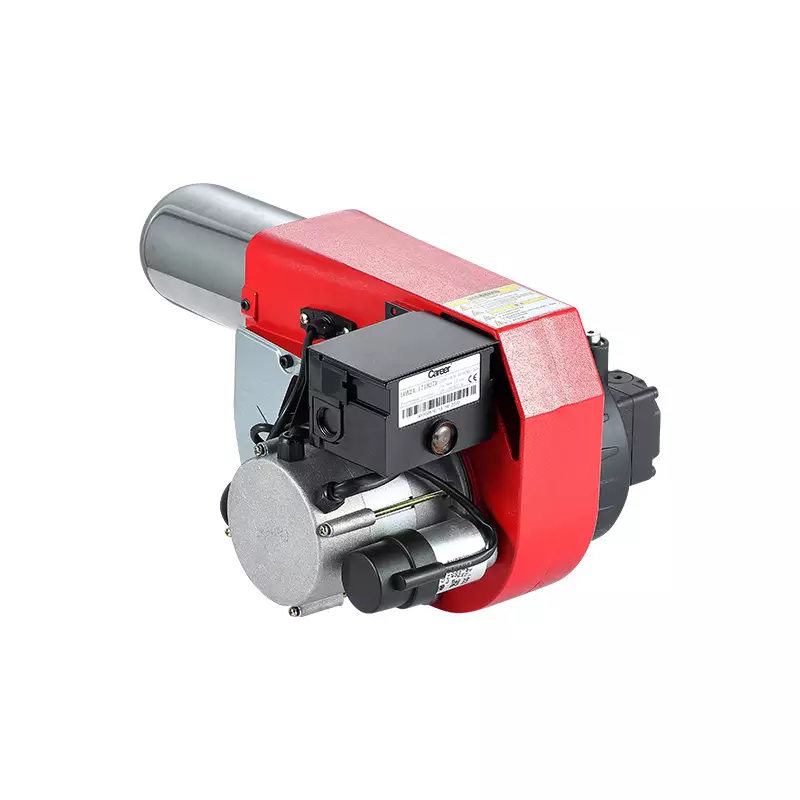
At Career Burner, we have spent over three decades manufacturing Career Burner industrial burners that prioritize reliability. From our ISO-certified facility in Foshan, China, we produce both gas and fuel oil burner systems designed for continuous operation. Our CX10A low fuel consumption on/off control burner, for example, integrates fully automatic control with robust flame monitoring. But even the best equipment requires operators who understand why flames fail. Let us walk through the most common culprits.
Fuel Supply Interruptions and Quality Issues
For any fuel oil burner, consistent delivery of clean, pressurized fuel is non-negotiable. The CX10A series uses high-pressure mechanical atomization—a nozzle sprays fuel into a fine mist for efficient combustion. If the fuel tank runs low, if filters clog, or if air enters the fuel lines, the spray pattern collapses and the flame goes out. Water contamination in fuel oil is another frequent cause, as water does not burn and cools the flame below ignition temperature. We recommend installing duplex filters and daily fuel tank draining to prevent these failures.
Combustion Air Imbalances
A flame requires oxygen to survive. Too little air creates a rich mixture that soots and lifts off the burner head. Too much air blows the flame away from the ignition source. Career Burner industrial burners like the CX10A include an airflow regulator to balance this relationship. However, blocked air intake screens, failing fan motors, or damper linkage drift can all upset the air-fuel ratio. The result is a flame that flickers, then fails. Regular inspection of air passages and fan performance—especially in dusty environments—prevents nuisance trips.
Flame Sensing and Control System Faults
Even when fuel and air are perfect, a dirty or failing flame sensor will report flame failure. Ionization rods and UV scanners build up carbon deposits over time. A weak sensor output triggers the safety lockout as if no flame existed. The CX10A’s fully automatic control system includes flame monitoring logic, but sensors remain wear items. We advise cleaning flame detectors monthly and replacing them according to manufacturer schedules. Also check grounding connections—poor electrical continuity mimics flame failure.
Beyond the Components: Application-Specific Challenges
Some flame failures trace back to how the fuel oil burner integrates with your specific equipment. For off-grid or vehicular applications, our precision customization options include 12/24VDC and 60Hz compatibility. Power fluctuations in these environments can disrupt control voltage long enough to drop the flame relay. Similarly, cold fuel oil becomes too viscous to atomize properly—a problem solved with fuel heaters or lighter fuel grades.
Preventing Downtime Through Proactive Maintenance
Flame failure is rarely a mystery. It is almost always preventable with structured attention to fuel filtration, air supply integrity, and sensor health. The CX10A’s design makes maintenance straightforward—the atomizing device can be serviced without removing the burner from its mounting, and manual flow regulation gives operators fine control. We recommend you let Career Burner assess your current installation. Whether you need a new fuel oil burner like the CX10A with energy-saving, quiet operation and easy component sourcing, or simply a maintenance audit, our team delivers solutions that keep flames lit. Contact Career Burner today—because every production minute counts.