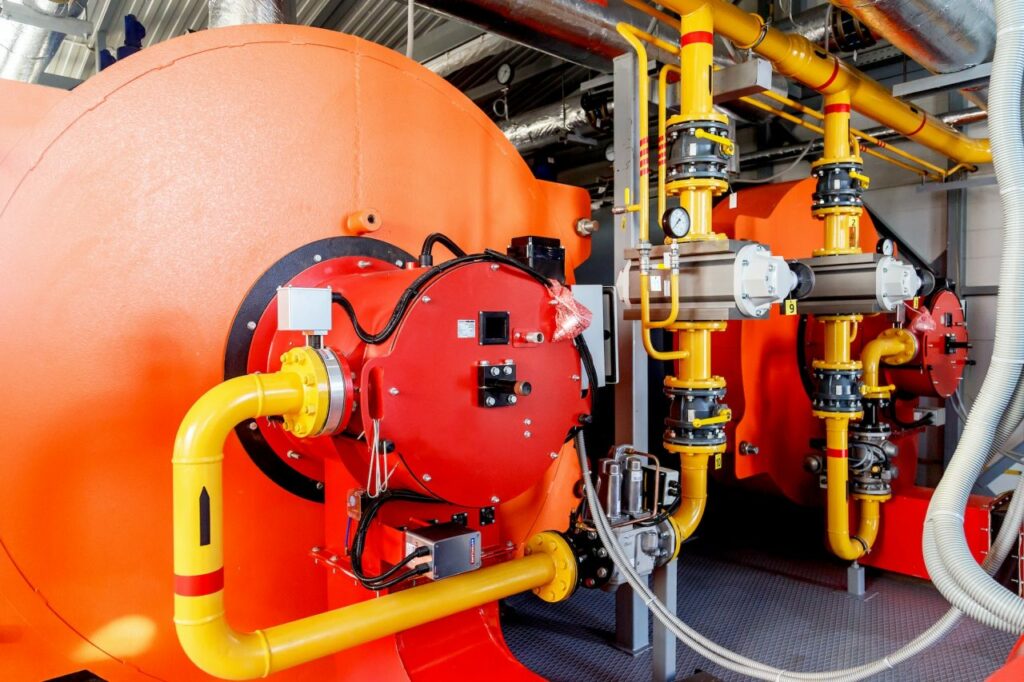
Selecting a burner for a metal melting furnace is not a simple off-the-shelf decision. Melting aluminum, brass, or steel requires intense, focused heat that can reach over 1,200°C, combined with precise flame control and consistent thermal delivery. Choose the wrong burner, and you face slow melt cycles, refractory spalling, uneven temperatures, and fuel waste. The right choice depends on three core factors: the type of metal, the furnace design, and the fuel source available at your facility. Let us break down how to match a burner to your specific melt operation.
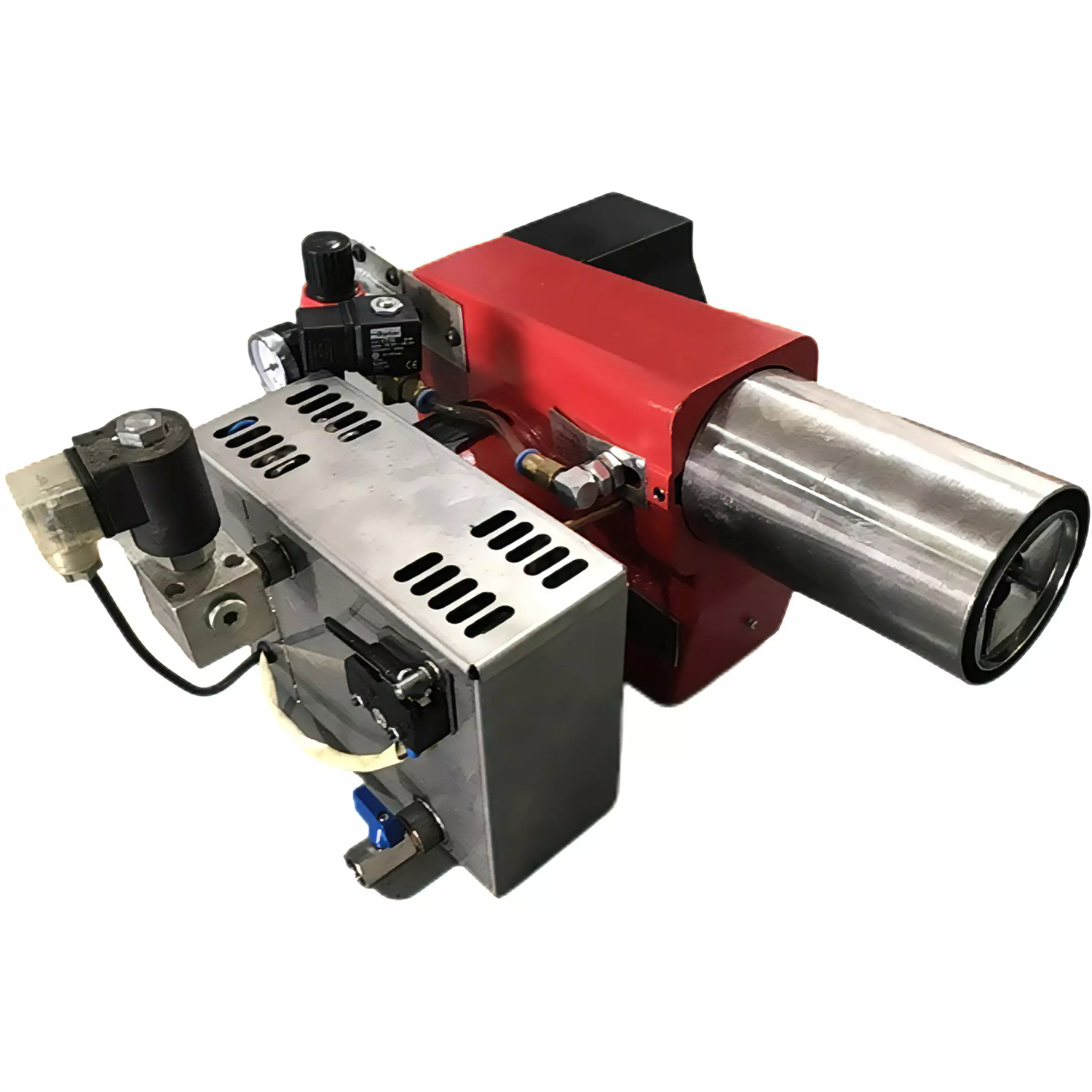
At Career Burner, we are an ISO 9001 certified manufacturer with over 30 years of experience delivering customized combustion solutions. One area where we excel is the waste oil heating system—an economical and environmentally responsible option for facilities that generate used oils from cooking, lubrication, or vehicle maintenance. Our FX10A Automatic Waste Oil Burner, available in capacities from 24 to 119 kW, features a siphon nozzle design that burns renewable fuels cleanly and efficiently. For metal melting applications ranging from small crucible furnaces to larger holding vessels, we offer tailored solutions with batch consistency errors below 0.5%. Let us explore the key selection criteria.
Matching Burner Capacity to Your Melt Requirements
Every metal has a specific melting point and latent heat of fusion. Aluminum melts at roughly 660°C, brass near 930°C, and steel above 1,370°C. To calculate required burner power, we multiply the metal mass per hour by its specific heat and the temperature rise, then add the heat of fusion. For a 500 kg aluminum furnace, a 100–150 kW burner typically suffices. The FX10A waste oil heating system covers 24–119 kW, making it ideal for smaller foundries, art casting, or precious metal melting. For larger production furnaces, we can scale up with our other series. Oversizing wastes energy and shortens furnace life; undersizing kills productivity.
Why Waste Oil Is a Viable Fuel for Melting
Many metal melting operations run on natural gas or diesel, but waste oil offers a compelling alternative—especially when you have a steady internal supply from machinery, trucks, or cooking processes. Burning waste oil reduces disposal costs and cuts fuel expenses by up to 70%. However, waste oil combustion requires specialized equipment. The FX10A is designed specifically for oils from cooking, tires, lubricants, or vehicles. Its siphon nozzle atomizes the fuel reliably, while automatic or manual control modes give operators flexibility. For melting non-ferrous metals in smaller furnaces, a Career Burner waste oil solution provides steady, high-temperature flames with renewable energy benefits.
Critical Features for Reliable Furnace Operation
A metal melting furnace demands more than just heat—it needs flame stability, easy maintenance, and safe shutdowns. The FX10A includes robust flame monitoring and a siphon nozzle that resists clogging from variable fuel quality. Its manual flow regulation allows fine-tuning for different waste oil viscosities. Additionally, because waste oil can leave ash residues, we design our burners for straightforward cleaning without full disassembly. For facilities running batch melts, consistent air-fuel ratio control prevents temperature swings that weaken crucibles or degrade alloy quality.
Choosing the Right Burner Partner for Your Foundry
Selecting a burner is only half the battle—installation, tuning, and ongoing support determine long-term success. Career Burner provides not just equipment but full customization to match your furnace geometry, draft conditions, and fuel storage setup. We recommend you let our engineers assess your melt schedule and waste oil availability. Whether you need a compact waste oil heating system like the FX10A for a small aluminum furnace or a scaled solution for larger melts, we deliver ISO-certified quality and batch consistency under 0.5%. Contact Career Burner today—we will help you melt more metal for less money, using the fuel you already have.