Rising fuel prices and tightening environmental regulations have pushed industrial fuel efficiency from a nice-to-have into a competitive necessity. For facilities operating boilers, incinerators, food processing ovens, or drying systems, every percentage point of wasted fuel directly erodes profit margins. Yet many plant managers accept high consumption as the cost of doing business, unaware that proven strategies exist to slash fuel use without sacrificing heat output or production schedules. The key lies in optimizing the combustion process itself—smarter air-fuel management, advanced burner technology, and disciplined maintenance protocols.
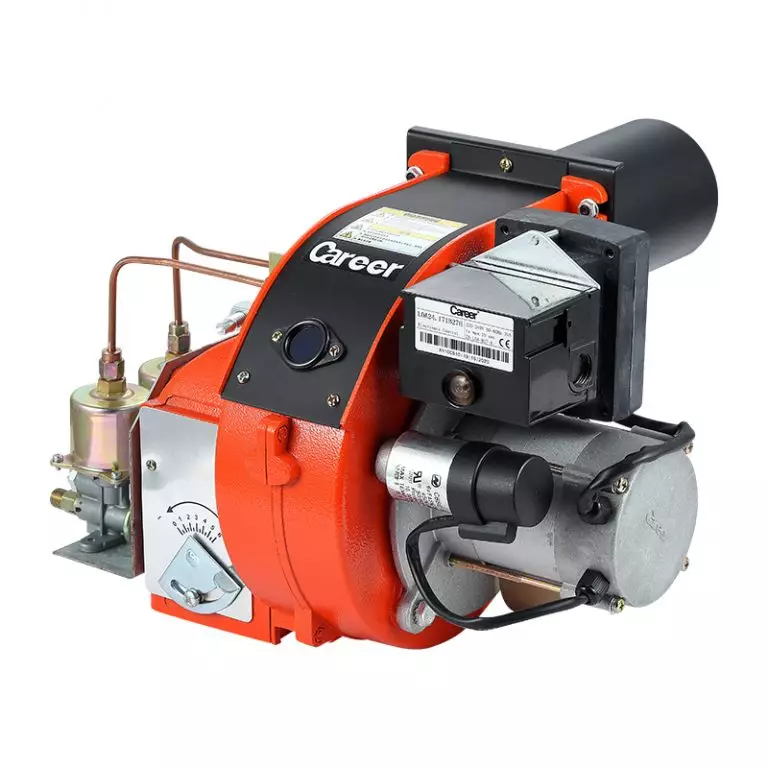
At Career Burner, we have spent nearly three decades engineering Career Burner industrial burners that balance maximum heat delivery with minimum fuel input, helping clients across the globe achieve measurable consumption reductions.
Optimize The Air-Fuel Ratio For Complete Combustion
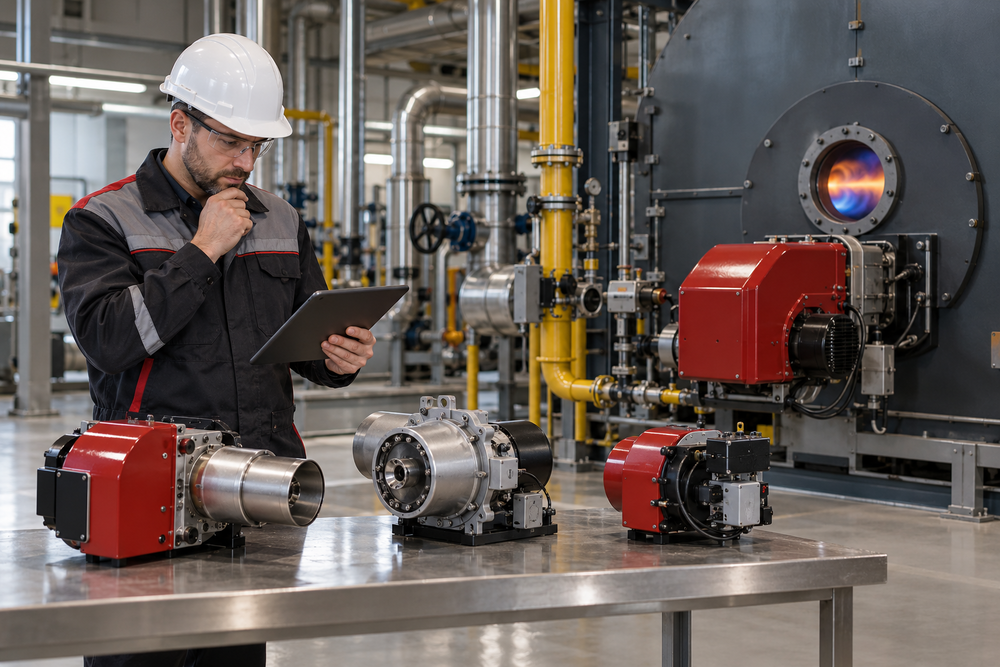
The single most effective method to reduce fuel consumption is ensuring every molecule of fuel burns completely. Incomplete combustion leaves unburned fuel escaping through the stack—literally money going up in smoke. An overly rich mixture (too much fuel for the available air) wastes fuel directly, while an overly lean mixture (excess air) wastes energy by heating unnecessary nitrogen that then exits the flue. Using a portable combustion analyzer to measure oxygen and carbon monoxide in exhaust gases allows operators to dial in the optimal air-fuel ratio. For most industrial applications, maintaining 2-4% excess oxygen yields near-stoichiometric combustion with minimal waste. Facilities performing weekly analyzer checks typically see fuel savings of 5-10% within the first month.
Upgrade To Low NOx Gas Burner Technology
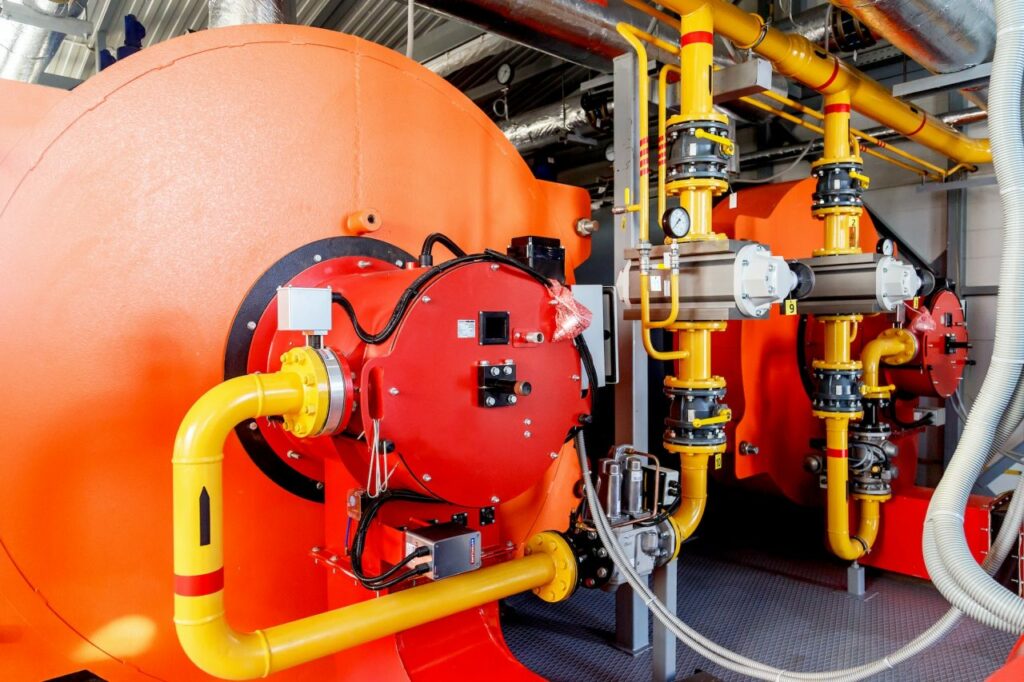
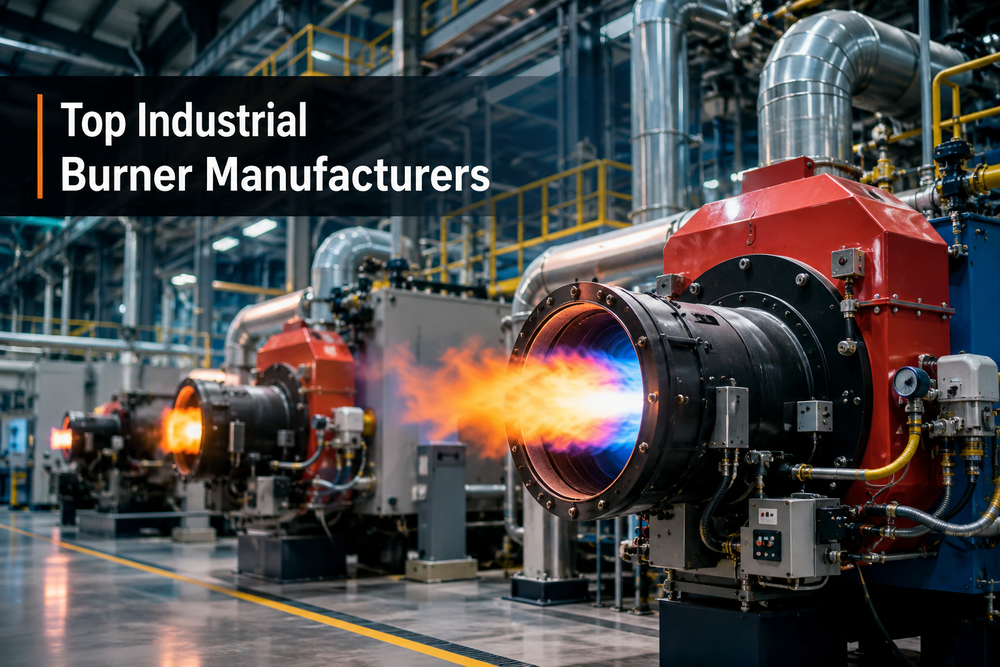
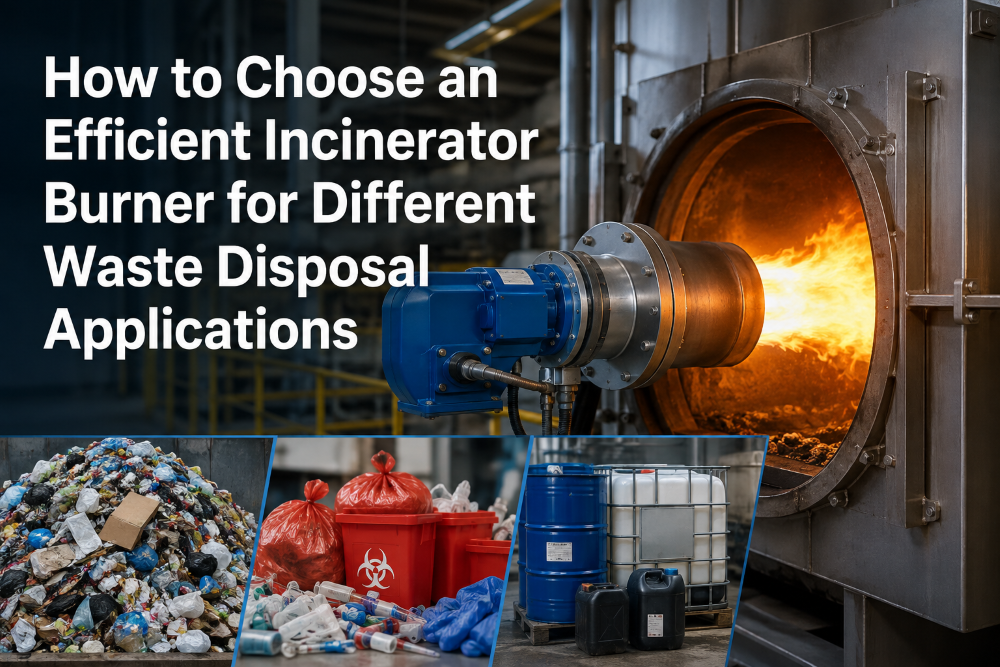
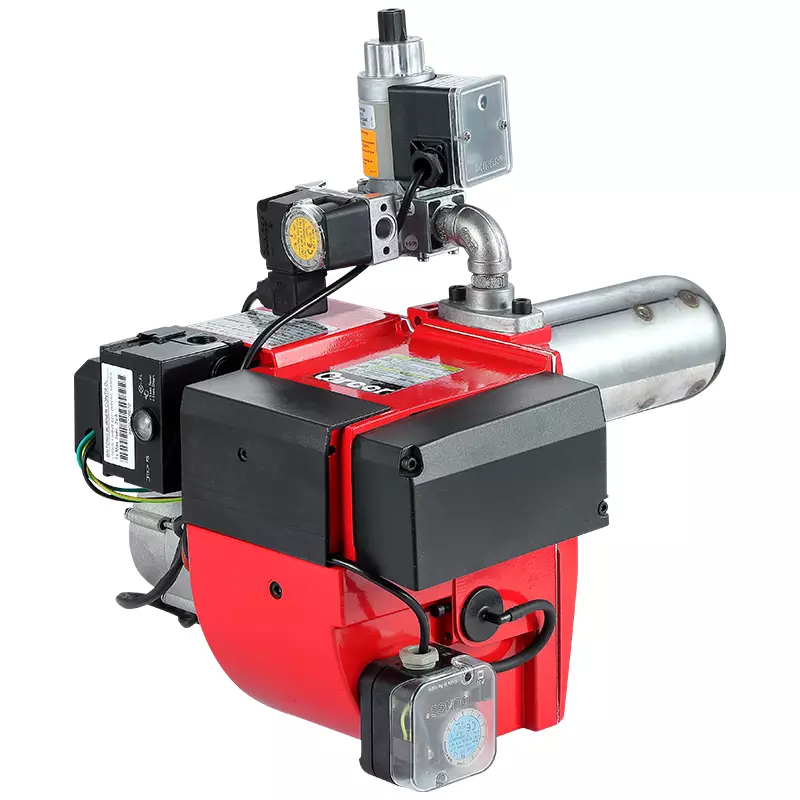
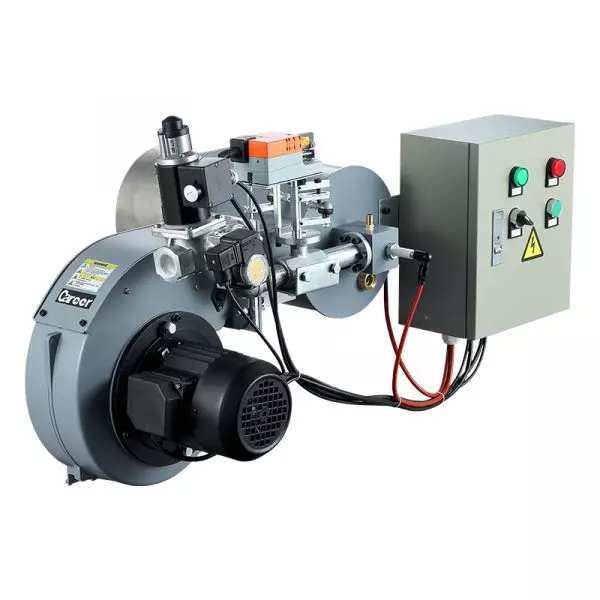
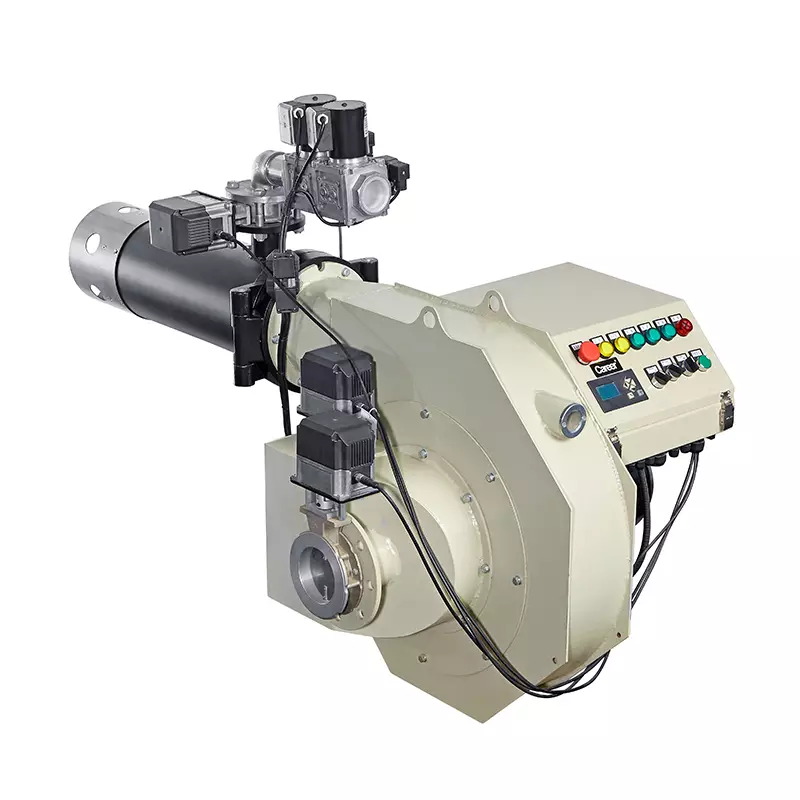
Older burner designs often sacrifice combustion efficiency to achieve stability or turndown. Modern low NOx gas burner systems, however, deliver both high-efficiency and emissions compliance through advanced combustion engineering. By carefully controlling how fuel and air mix—lowering flame temperature, improving mixing thoroughness, and sometimes recirculating flue gases—these burners achieve more complete energy extraction from each cubic meter of natural gas, LPG, or biogas. Career’s low NOx gas burners, with capacity ranges from 700-3300 kW, deliver high-efficiency while maintaining NOx emissions at or below 30 mg/kWh. Facilities switching from conventional burners to our low NOx designs routinely report fuel consumption reductions of 8-15% alongside cleaner stack emissions. These burners are ideal for boilers, incinerators, and food processing lines seeking both cost savings and regulatory compliance.
Implement Regular Maintenance And Tuning Schedules
Even the most efficient burner degrades over time without disciplined upkeep. Clogged air filters restrict combustion air, forcing richer mixtures that waste fuel. Worn nozzle tips or fouled flame sensors disrupt flame stability, prompting safety systems to increase purge cycles or run at higher excess air settings. A Career Burner industrial burner loses roughly 2-4% efficiency between service intervals if maintenance is neglected. We recommend establishing a monthly inspection routine: verify air filter condition, check fuel pressure at the inlet, clean flame sensors, and inspect refractory condition. Quarterly tuning by a qualified technician using calibrated combustion analyzers ensures the burner operates at peak efficiency across all firing rates. Facilities that schedule preventive maintenance rather than reacting to breakdowns typically save 3-7% on annual fuel bills.
Practical Steps Toward Lower Fuel Bills
Reducing fuel consumption does not require a complete plant overhaul. Starting with air-fuel ratio optimization delivers immediate returns, while upgrading to low NOx gas burner technology provides long-term savings and environmental compliance. Regular maintenance locks in those gains year after year. Career Burner combines nearly 30 years of combustion expertise with proven low NOx gas burner designs for boilers, incinerators, and food processing applications—compatible with natural gas, LPG, and biogas. We recommend partnering with Career Burner for a comprehensive energy audit and burner performance assessment. Let our clean combustion, energy-saving solutions help you turn wasted fuel into bottom-line profit. From initial tuning to complete system upgrades, we are your partner in efficient, responsible industrial heating.